







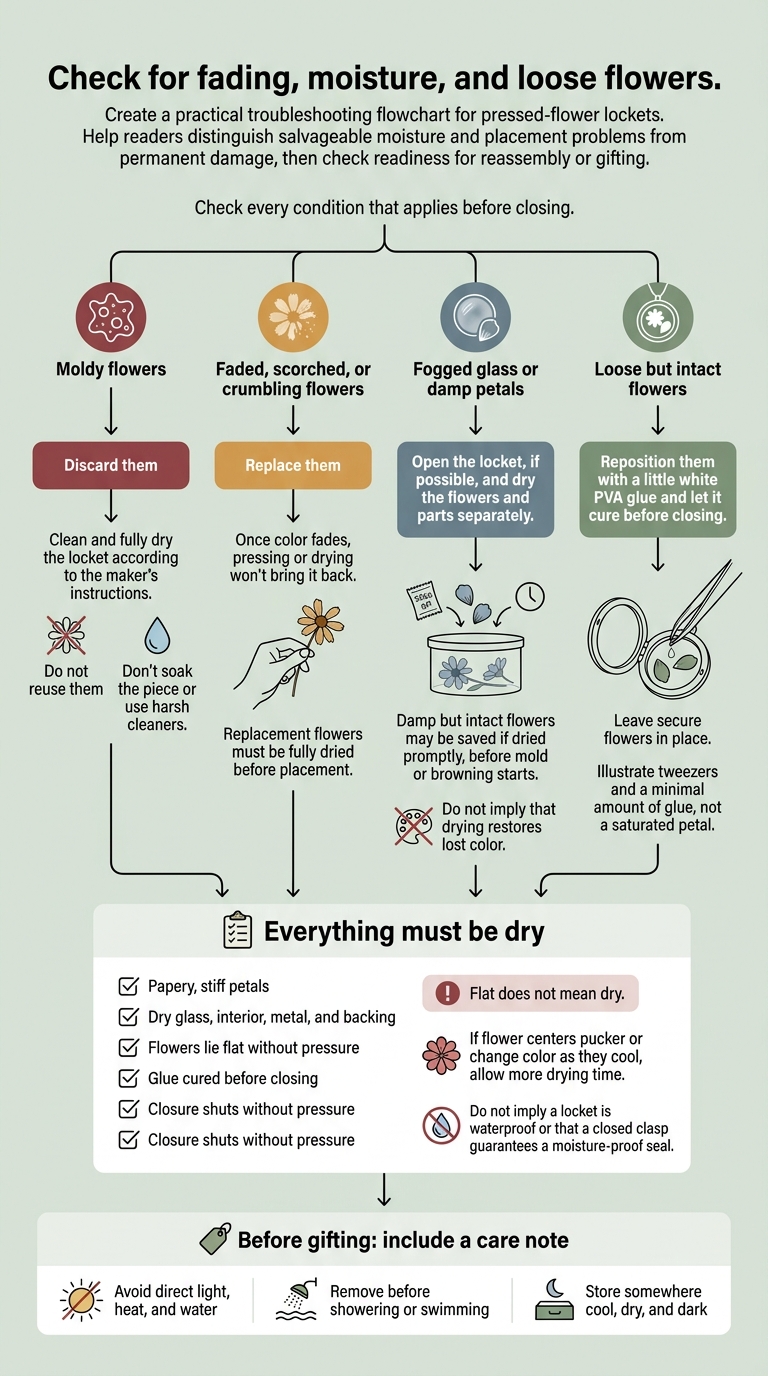
I check for 3 things before fixing a pressed-flower locket: fading, moisture, and loose flowers. Drying may save damp petals, but it won’t bring lost color back.
Here’s how I decide what to do:
- Faded, scorched, or crumbling flowers: Replace them with fresh, properly prepared blooms.
- Fogged glass or damp petals: Open the locket, if possible, and dry the flowers and parts separately.
- Moldy flowers: Discard them, then clean and dry the locket according to its maker’s directions.
- Loose but intact flowers: Reposition them with a little white PVA glue and let it cure before closing.
My rule before assembly or gifting: <u>everything must be dry</u>. This is especially critical when making pressed flower jewelry to prevent trapped moisture from ruining the piece. I look for papery, stiff petals, dry glass and backing, and a closure that shuts without pressure. Then I include a care note: avoid direct light, heat, and water, and store the locket somewhere cool, dry, and dark.
Pressed Flower Locket Repair: Dry, Reposition, or Replace?
Why Flowers Fade, Get Damp, or Shift
In a small resin-free locket, problems with light, moisture, and fit can show up fast.
Light, Heat, and Age Change Flower Color
Sunlight and fluorescent lighting break down flower pigments. Newly picked, darker blooms usually resist fading longer than pale or older flowers. Once color fades, pressing or drying won’t bring it back.
Drying can change a flower’s color before it goes into the locket, too. Too much microwave heat can leave dark, scorched patches and a burned smell. Proper microwave flower pressing techniques prevent these issues. If discoloration began during pressing, the drying stage caused it.
Incomplete Drying and Condensation Trap Moisture
If fading isn’t the issue, check for moisture next. Flat does not mean dry. Thick flower centers can hold moisture that later makes petals pucker or change color. Flowers picked after rain may need extra drying time. Check them after they’ve cooled - not straight from the press.
Damp backing, fogged glass, or humid conditions during assembly can trap moisture inside a sealed locket. Temperature changes can then cause condensation, while lingering dampness can lead to browning, mold, or mildew. Fogging soon after assembly points to damp flowers or components. Fogging after wear or water exposure may mean water entered through the closure.
Loose Fit and Thick Petals Cause Shifting
If dry flowers still move, check the fit. Loose placement or extra space inside the locket lets flowers shift during wear. Thick or underdried flowers can pucker and curl, while too much glue can soak into delicate petals and stain them.
sbb-itb-80d8183
Prevent Damage During Assembly and Wear
Once you’ve identified the cause, take steps to prevent more damage during pressing, assembly, and wear.
Press Flowers Flat and Check Dryness
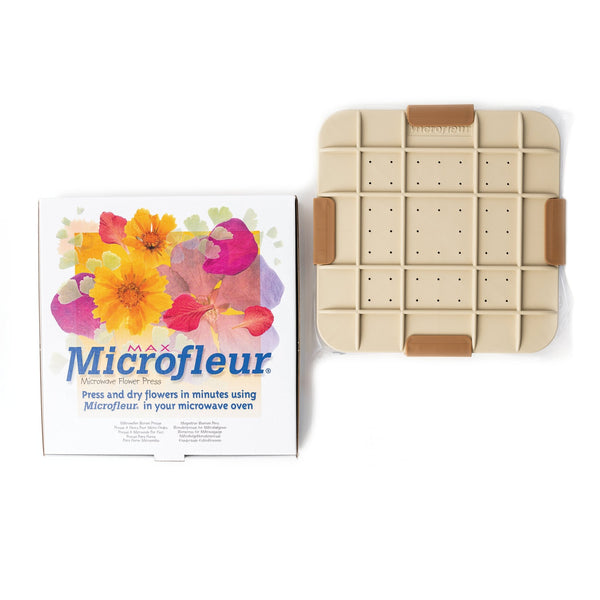
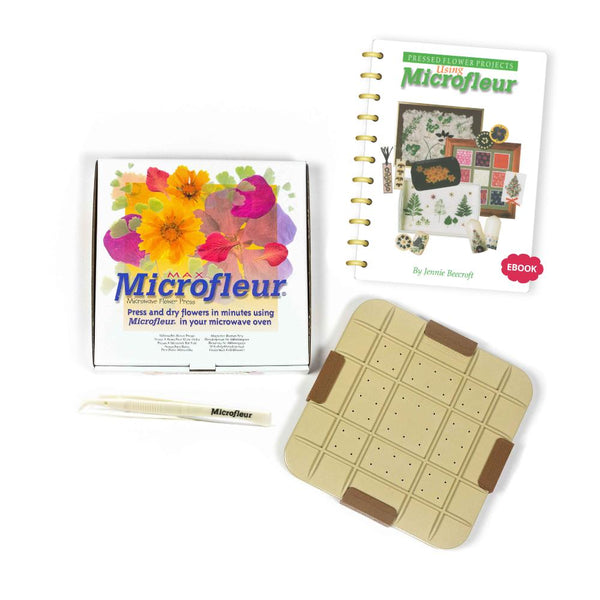
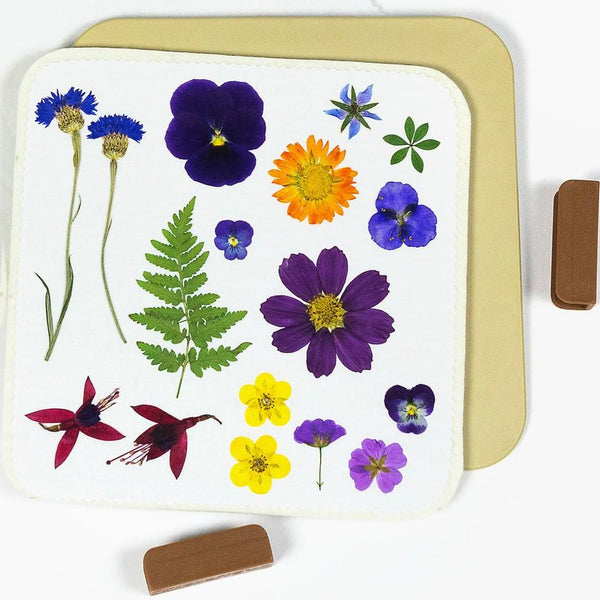
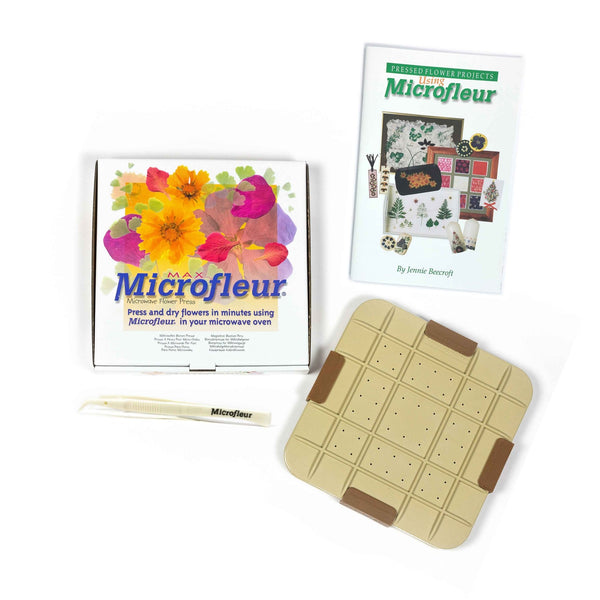
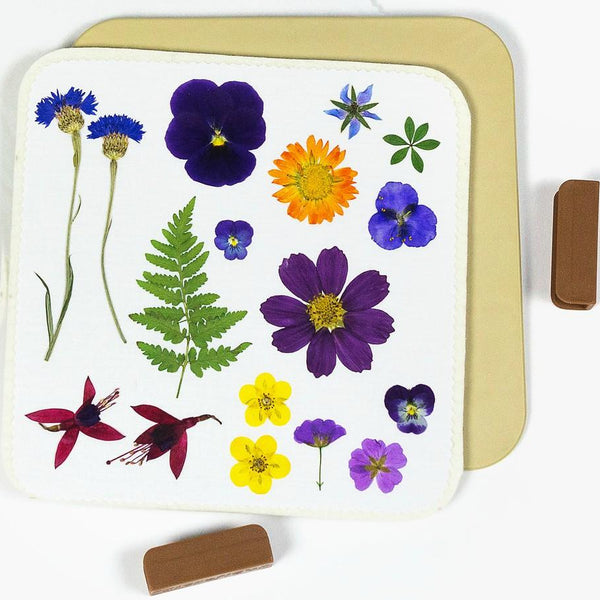
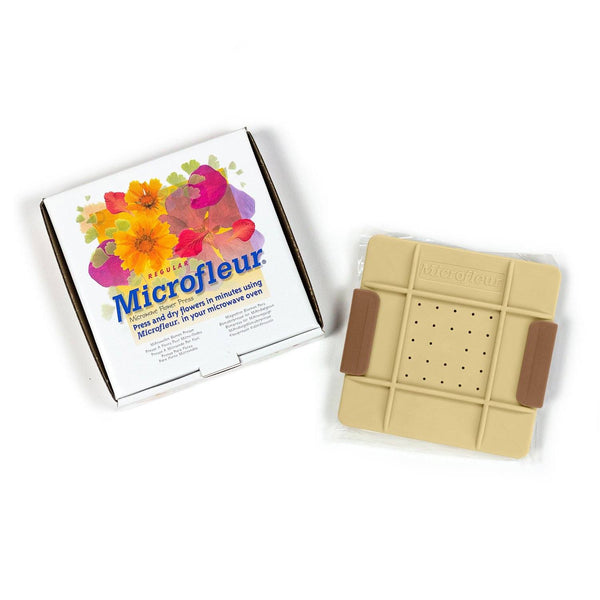
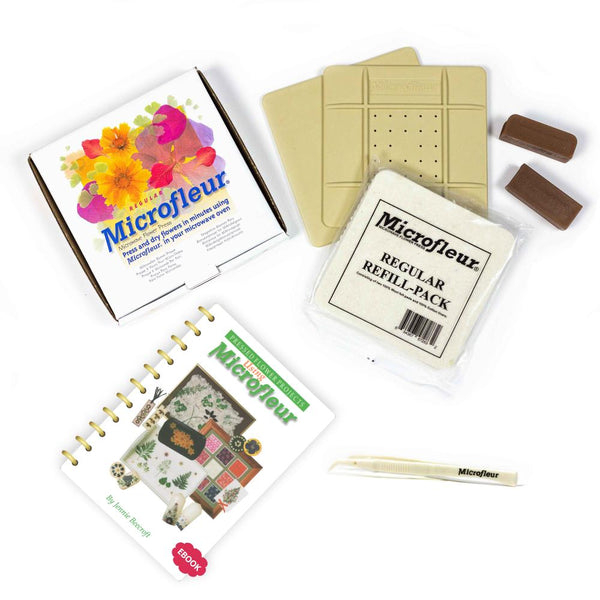
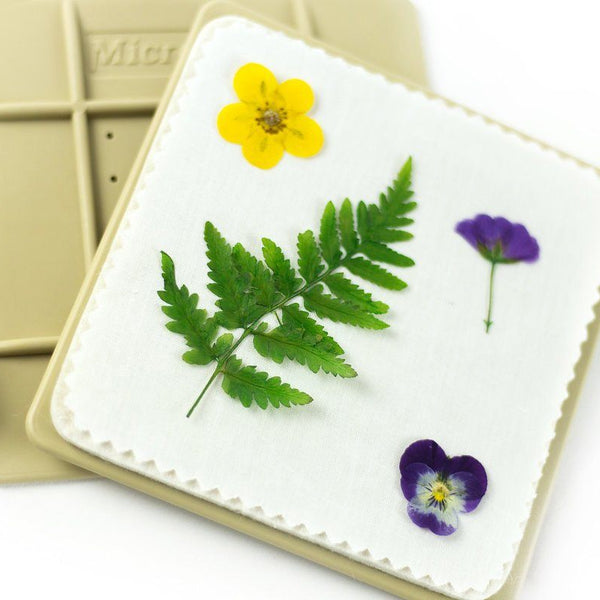
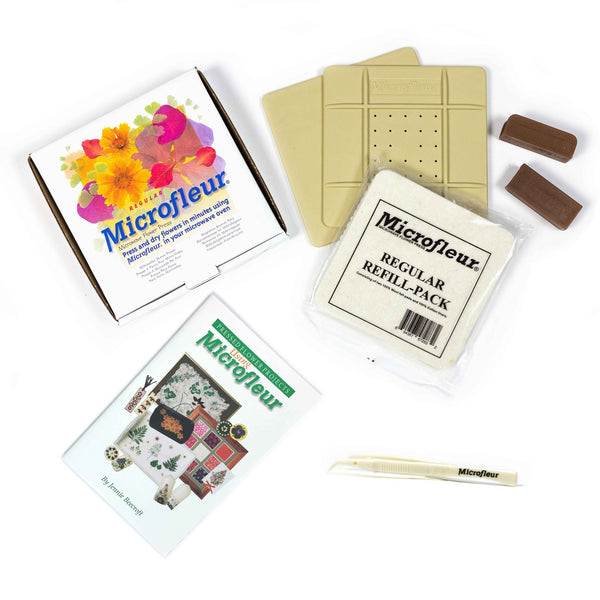
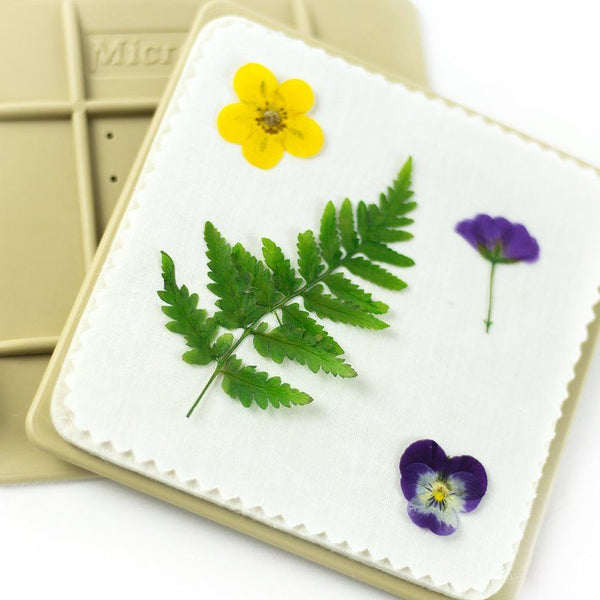
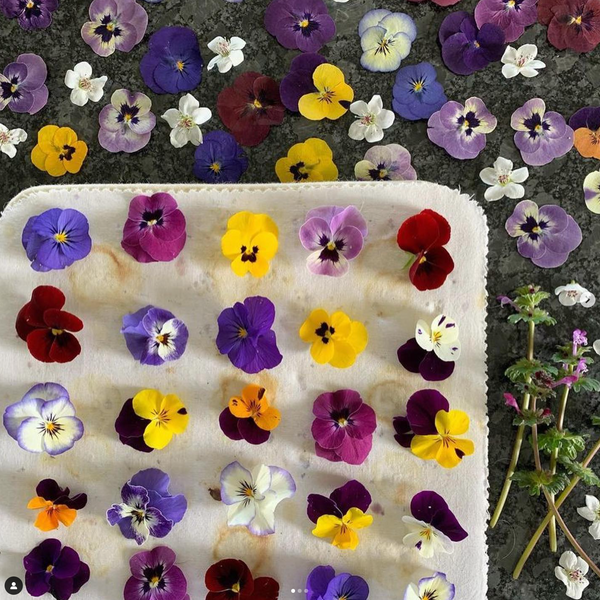
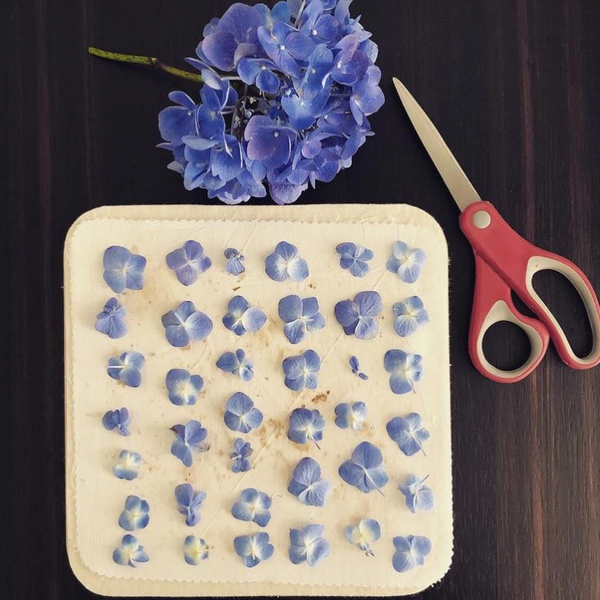
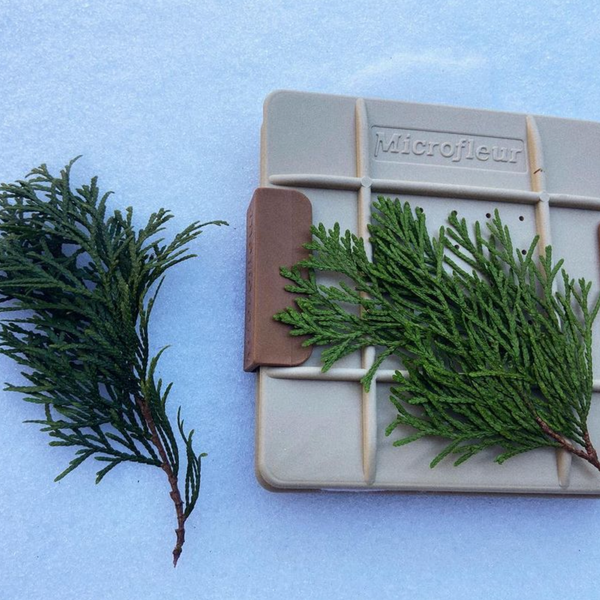
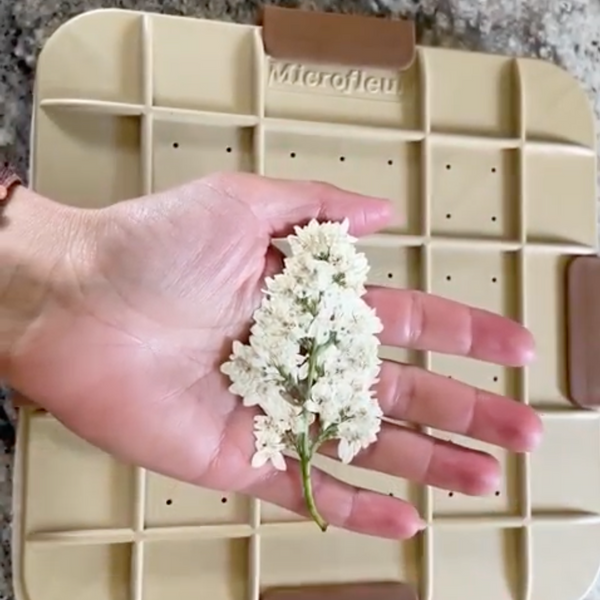
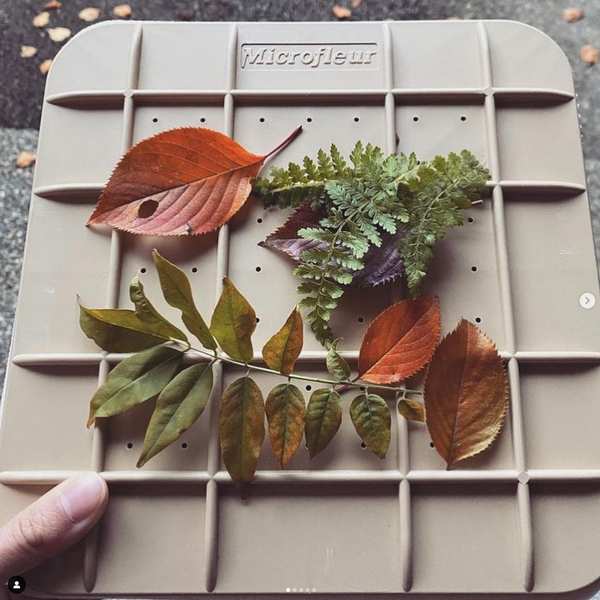
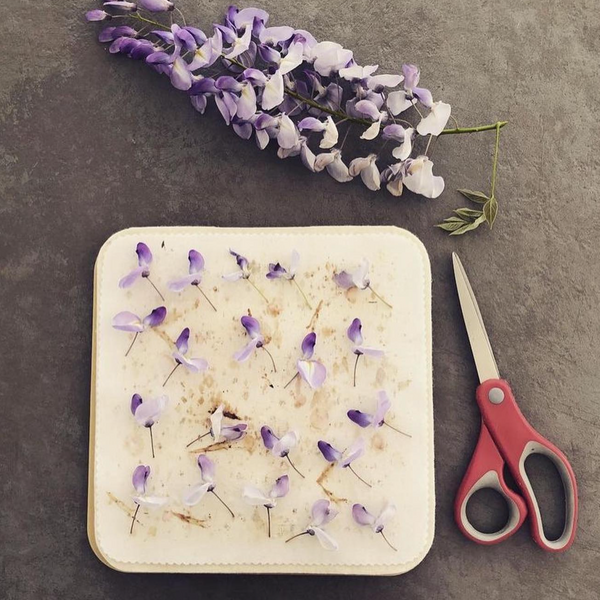
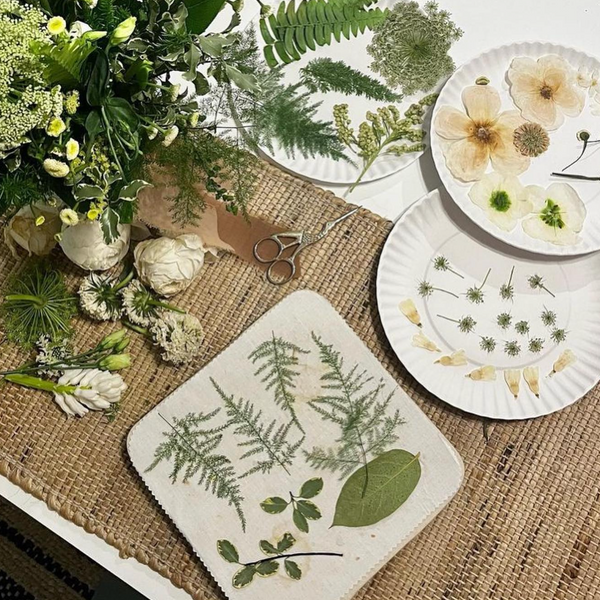
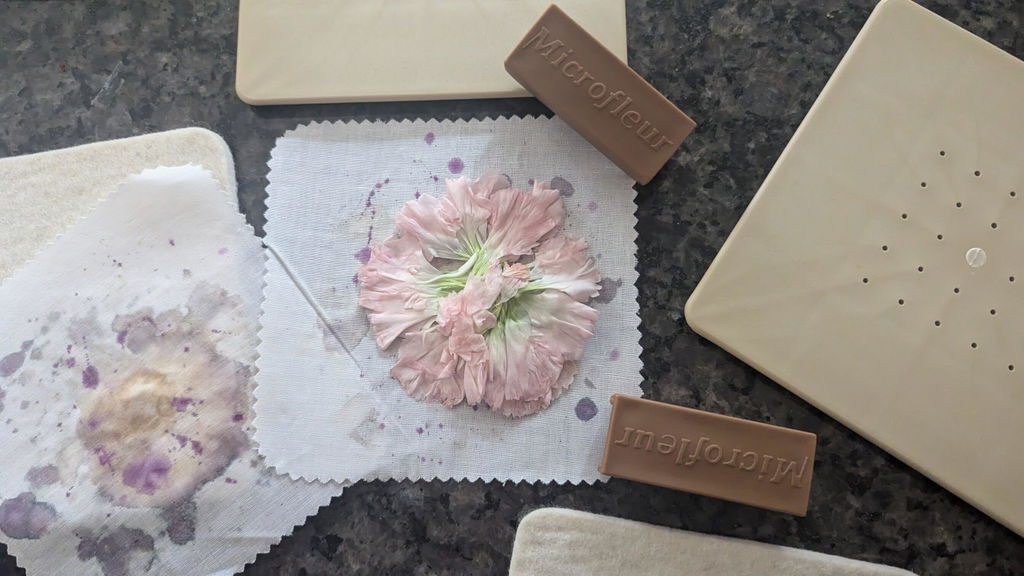
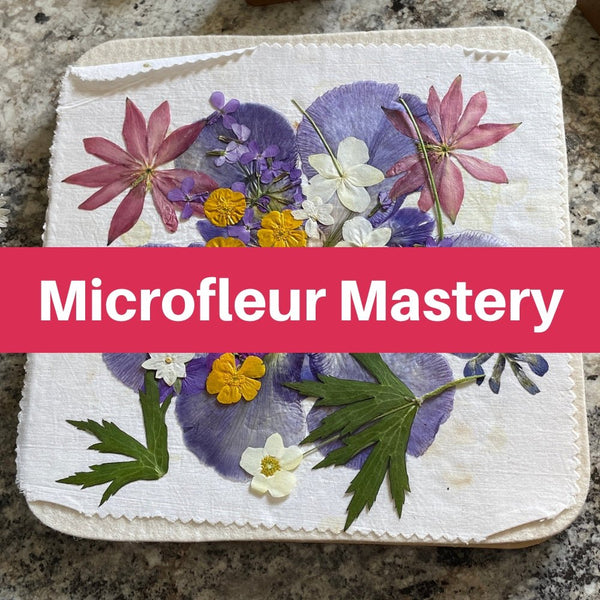
Start with flat, fully dry flowers. Microfleur microwave flower press kits can help flatten flowers, but careful timing is still needed to avoid scorching delicate petals.
Dried flowers should feel papery and stiff and hold their shape. If the centers pucker or change color as they cool, dry them longer.
Use Dry Components and Secure the Flowers
Check that the glass, interior, and backing are dry before assembly. Position the flowers with tweezers, then secure them with a thin bead of white PVA glue. Too much glue can stain petals, make them curl, or fog the glass. Let the glue cure before closing the locket.
Keep Lockets Away From Light and Moisture
After assembly, storage matters just as much as drying. Keep finished lockets away from direct sunlight, fluorescent light, humidity, and water. Remove them before showering or swimming. Tell recipients to store their locket closed in a cool, dry, dark place when they aren’t wearing it.
Store spare flowers flat between sheets of acid-free paper, in sealed bags or sleeves inside a dark container. Add silica gel to control humidity, but keep it separate from the petals and out of reach of children and pets.
Decide What to Repair or Replace
Check the flowers’ condition before you reseal the locket.
| Flower condition | Recommended action | Outlook |
|---|---|---|
| Dry and intact | Leave secure flowers in place; reposition only loose ones. | You can correct placement, but existing fading will remain. |
| Damp but intact | Remove and dry separately before reassembly. | Flowers may be saved if dried promptly, before mold or browning starts. |
| Browned or brittle | Replace severely discolored or crumbling flowers. | Drying cannot reverse pigment loss or scorching. |
| Moldy | Discard the flowers and clean the locket. | Do not reuse them. |
Dry the Parts and Reposition Intact Flowers
Save the intact pieces first. If the locket opens, remove the intact flowers and dry them separately in an airtight container with silica gel. If they pucker as they cool, allow more drying time.
Gently reposition any loose flowers, using a small amount of white PVA glue to secure them.
Discard Moldy Flowers and Clean the Locket
Remove and discard the moldy flowers. Then clean and fully dry the locket according to the maker’s instructions. Don’t soak the piece or use harsh cleaners.
Replace Flowers With Permanent Damage
Replace flowers with severe fading, browning, scorching, or brittleness rather than trying to repair them. Make sure each replacement is fully dried before placing it in the locket.
Conclusion: Check the Locket Before Gifting
Give the locket one last check before gifting it. You might even include a handmade pressed flower card to complete the presentation. Drying and repositioning can save intact flowers, but fading and mold are permanent.
Check that everything is dry: the glass, metal, and backing. The flowers should lie flat without pressure, and the closure should shut cleanly and keep humidity out.
Include a care note: Keep the locket away from direct light, heat, and moisture. Store it in a cool, dry, dark place.
FAQs
How can I tell fading from moisture damage?
Fading is a gradual loss of color caused by UV light, heat, or long exposure to damp air. Moisture damage, on the other hand, leaves brown or muddy patches and gray or blotchy spots. The texture may feel soft, tacky, or cool instead of crisp and papery.
A musty smell or fuzzy growth points to mold caused by trapped moisture - not simple fading or heat-induced scorching.
What if my fogged locket won’t open?
Don’t force the locket open - you could damage the metal or hinge. Fogging means moisture is trapped inside, often because the flowers weren’t fully dried before sealing.
If you can’t open it to remove moisture or replace damaged flowers, place it somewhere dry with low humidity and silica gel. This may help draw moisture out through the seal. For future lockets, make sure the flowers feel bone-dry and cool before sealing.
How can I replace flowers without damaging the locket?
Use tweezers to carefully remove old flowers from your resin-free locket. If petals are stuck, gently loosen them or, if the housing allows, flex it slightly to release them. Avoid pulling or damaging the locket’s structure.
Remove all debris before adding fully dried flowers. Secure the new petals with a tiny amount of pH-neutral adhesive or small glue dots on their backs. Position them so they don’t overlap.