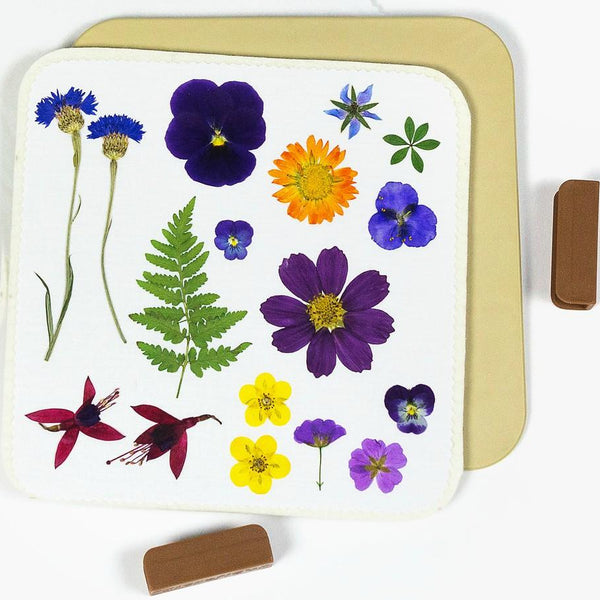

UV spray may slow fading, but it won’t keep pressed petals colorful forever - or make them waterproof. My advice: test a spare petal first, coat only fully dried flowers, and follow the label for light coats and full cure time.
For color care, I focus on three things:
- The flower: Pigment type and drying affect how much color stays.
- The coating: Check your test petal and backing for color shifts, curling, or stains before treating the finished piece.
- The location: Choose low light and dry conditions. UV-filtering glass adds protection, while dark storage reduces light exposure.
I treat spray as one layer of protection, not a fix for poor drying or a sunny display. <u>Where you keep the flowers still matters after sealing.</u>
What UV Spray Sealers Can and Cannot Protect
A UV spray adds a thin protective layer, but it does not make petals waterproof. Moisture and humidity can still damage coated flowers. Protecting the surface doesn’t guarantee that the pigments underneath will keep their color.
UV Resistance Is Not Complete Protection
UV-resistant sprays slow fading. They don’t stop it.
Why Sealed Petals Still Fade
Light, heat, oxygen, and humidity all break down pigments. If petals aren’t fully dried before sealing, trapped moisture can cause puckering or discoloration beneath the coating.
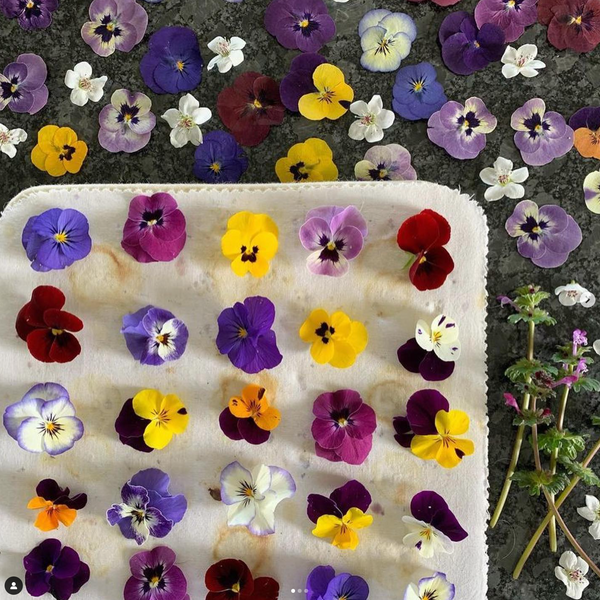
Pigment type matters, too. Yellow and orange pigments usually hold their color better than many red, pink, and blue pigments, which fade faster under the stress of drying and preservation.
A coating can’t bring back pigment lost during drying. Color retention still depends on the flower, how well it was dried, and where it’s displayed. Drying needs to come before spraying, and poor display conditions can fade even sealed petals.
sbb-itb-80d8183
How to Seal Pressed Petals Safely
How to Seal Pressed Petals Safely
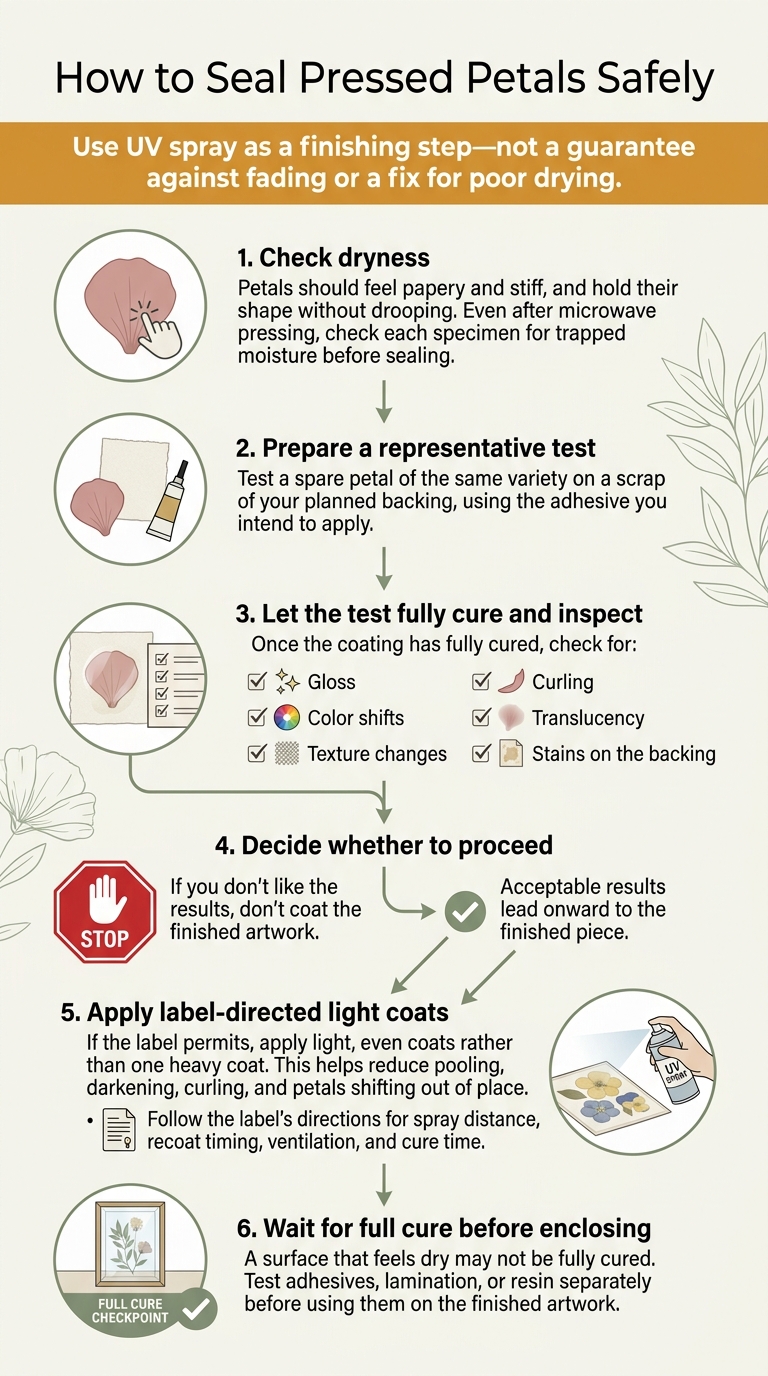
Use UV spray as a finishing step - not a guarantee against fading or a fix for poor drying. Test scrap materials first, since sprays can alter delicate petals. Follow your product’s label rather than a general spraying routine.
Check Dryness and Test the Coating
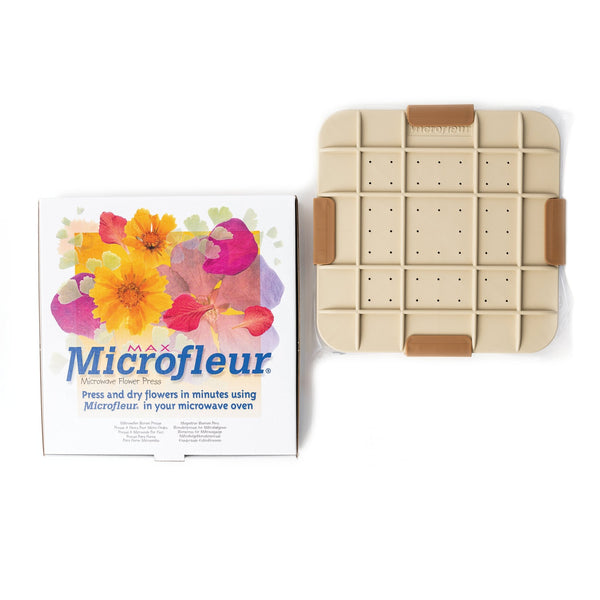
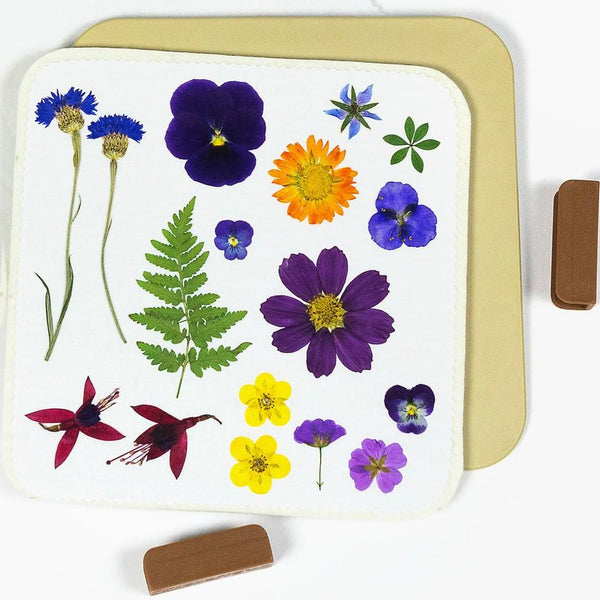
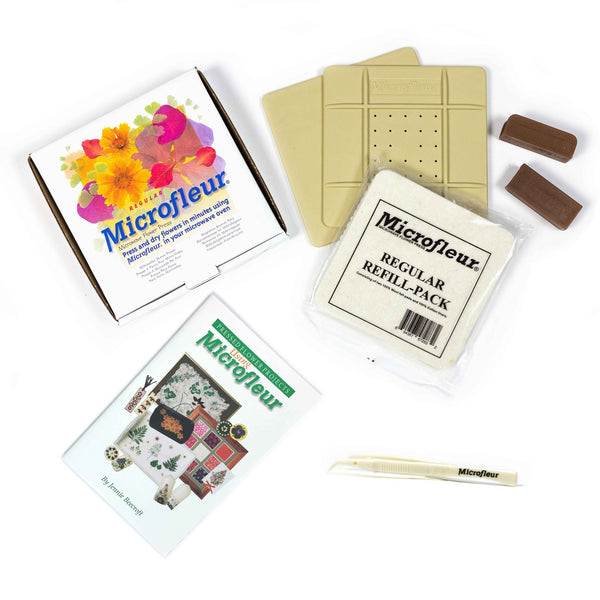
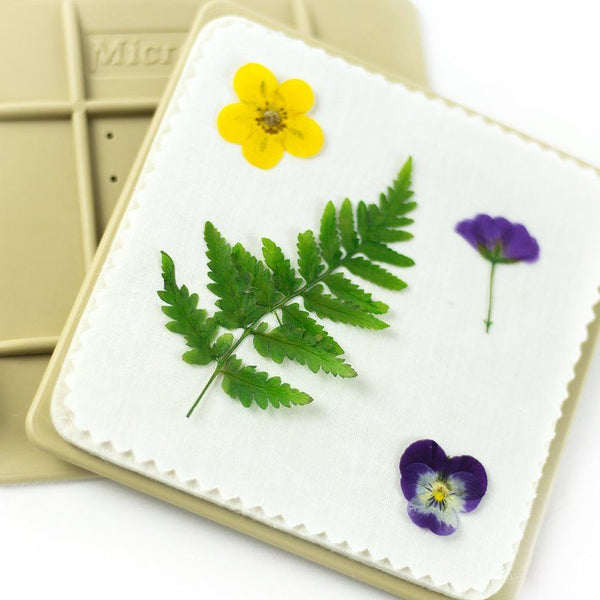
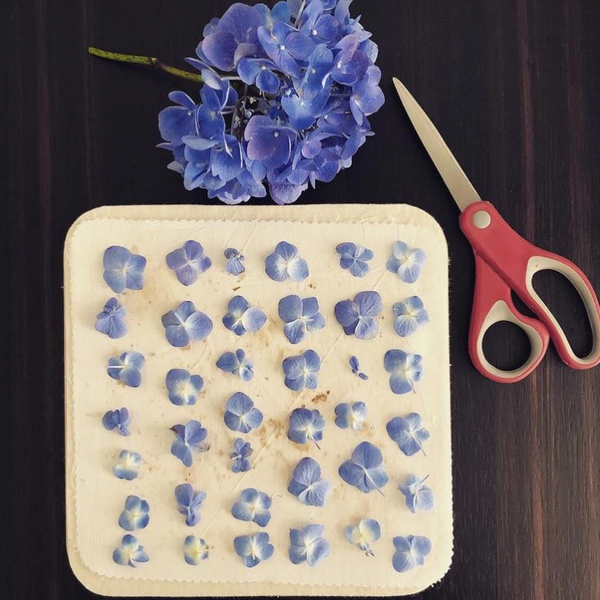
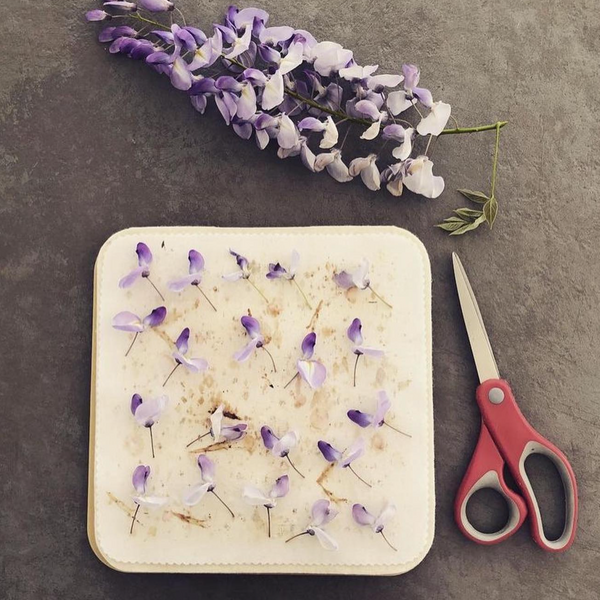
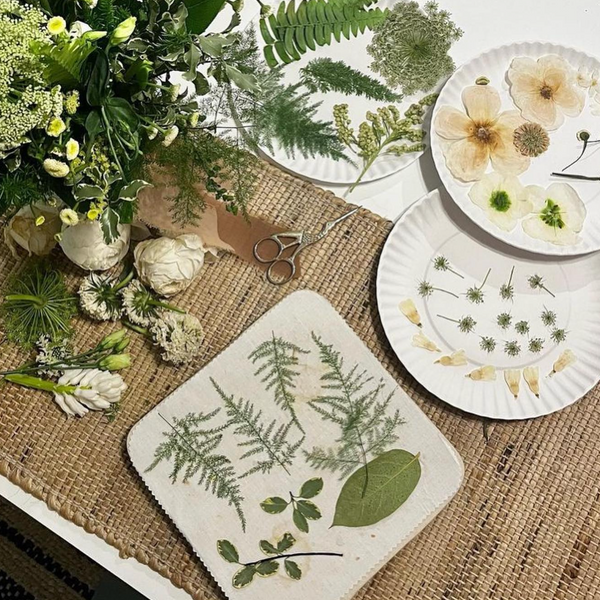
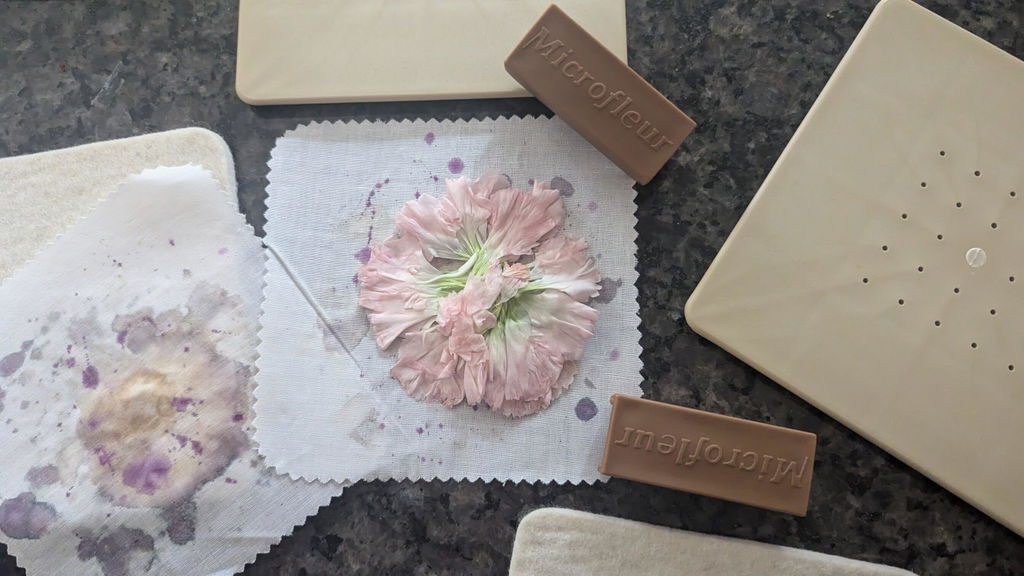
Petals should feel papery and stiff, and hold their shape without drooping. Even after microwave pressing, check each specimen for trapped moisture before sealing.
Test a spare petal of the same variety on a scrap of your planned backing, using the adhesive you intend to apply. Once the coating has fully cured, check for gloss, color shifts, texture changes, curling, translucency, and stains on the backing. If you don’t like the results, don’t coat the finished artwork.
Apply Light Coats and Allow Full Curing
If the label permits, apply light, even coats rather than one heavy coat. This helps reduce pooling, darkening, curling, and petals shifting out of place. Follow the label’s directions for spray distance, recoat timing, ventilation, and cure time.
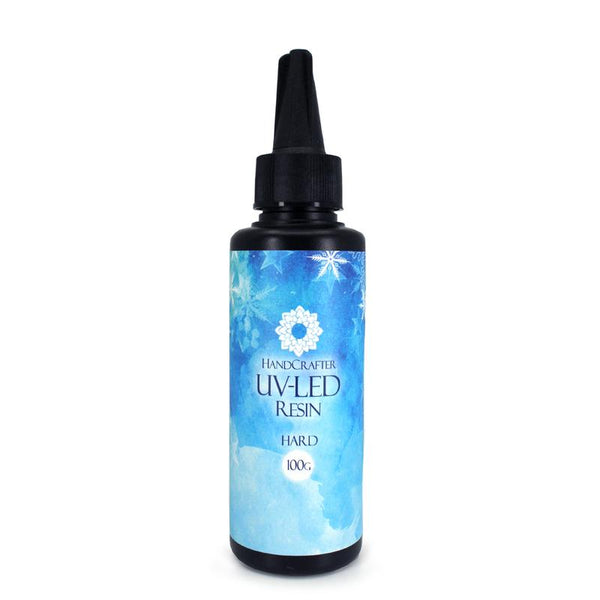
Wait for full cure before enclosing the piece. A surface that feels dry may not be fully cured. Test adhesives, lamination, or resin separately before using them on the finished artwork. This is especially important when creating pressed flower jewelry with UV resin, where clarity is key.
After curing, where you display the piece becomes the main factor in how long its color lasts.
Display and Storage for Sealed Flowers
After curing, keep sealed pressed flowers in low light and dry conditions. Direct sunlight, bright fluorescent lights, radiators, and humid rooms can still put their color at risk.
Fading Risks and Ways to Reduce Them
Light exposure adds up. Even with UV spray, bright indirect light and fluorescent bulbs can cause fading. Choose a dim interior wall away from sunny windows, and turn off unnecessary lighting.
Display lets you enjoy the flowers; storage slows fading while they’re out of view.
Compare Display and Storage Options
Dark storage limits light exposure, but you still need to control moisture. For displayed pieces, UV-filtering glazing adds protection. Placement, though, determines how much visible light and heat reach the flowers.
| Choice | Light exposure | Likely benefit | Remaining limitation |
|---|---|---|---|
| Sunny-window display | High, including direct sunlight | None | Strong light speeds color loss |
| Indirect-light display | Varies, without direct sun | Less exposure than direct sunlight | Bright ambient light still causes fading |
| Frame with UV-filtering glazing | Depends on placement; reduced UV | Adds protection alongside careful placement | Does not prevent visible-light fading or heat damage |
| Dark storage | Minimal while closed | Reduces light-related fading | Humidity and natural aging remain |
Store fully dry, cured pieces flat between layers of acid-free paper. Place them in a sealed plastic sleeve or resealable plastic bag, then inside a sealable plastic container. Add silica gel packets or canisters to help control humidity.
Conclusion: Pair Sealing With Light Control
Test the coating on a spare flower first. If there’s no color shift, curling, or staining, apply light coats and let the coating cure fully before framing.
Once it’s cured, keep the finished piece out of direct sunlight and fluorescent light. Sealing helps, but light exposure still determines how long the color lasts.