
Press flowers for flat art and cards, and air-dry them for bouquets and wreaths. Standard pressing takes about 2–4 weeks; hanging flowers upside down usually takes 1–3 weeks. A microwave press can cut pressing time to minutes.
The choice comes down to shape and display space. Use thin blooms or individual petals for pressing, and sturdy flowers for hanging. For shadow boxes, check the depth before choosing either method.
Quick Comparison
| What matters | Flower pressing | Air drying |
|---|---|---|
| Method | Flatten between absorbent sheets under pressure | Hang small bundles upside down |
| Finished shape | Flat, with visible petal details | Keeps more depth, though blooms may shrink or curl |
| Good flower choices | Pansies, violas, cosmos, individual petals | Roses, lavender, statice, strawflowers |
| Typical time | 2–4 weeks; minutes with a microwave press | 1–3 weeks |
| Best uses | Cards, bookmarks, framed art, shallow resin pieces | Bouquets, wreaths, dry vases, deep shadow boxes |
| Color | May fade or brown | May darken, dull, or yellow |
For either method, let flowers dry fully before mounting or arranging them. Then handle them gently, keep them away from sun and humidity, and leave enough room so frames or nearby blooms don’t crush them.
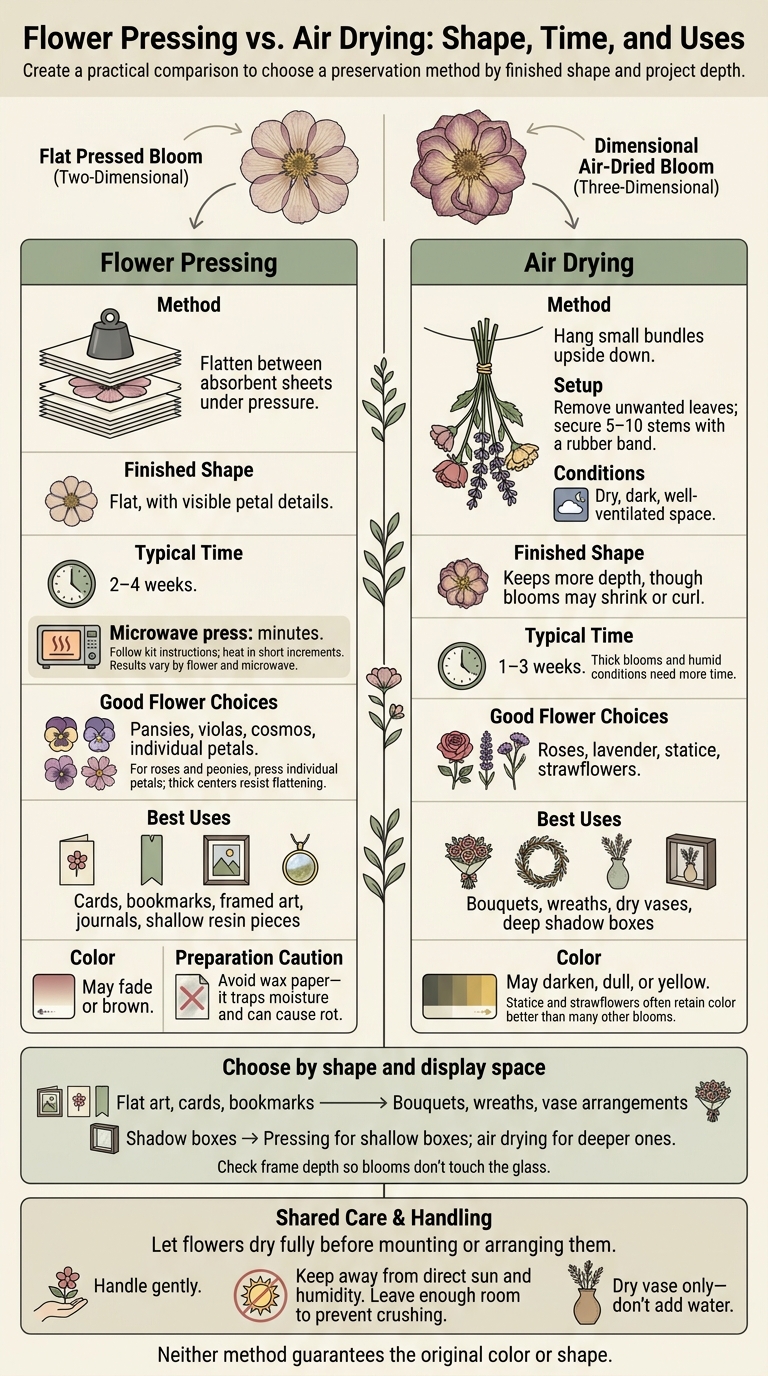
Flower Pressing vs. Air Drying: Shape, Time, and Uses
How Pressing Flattens Flowers
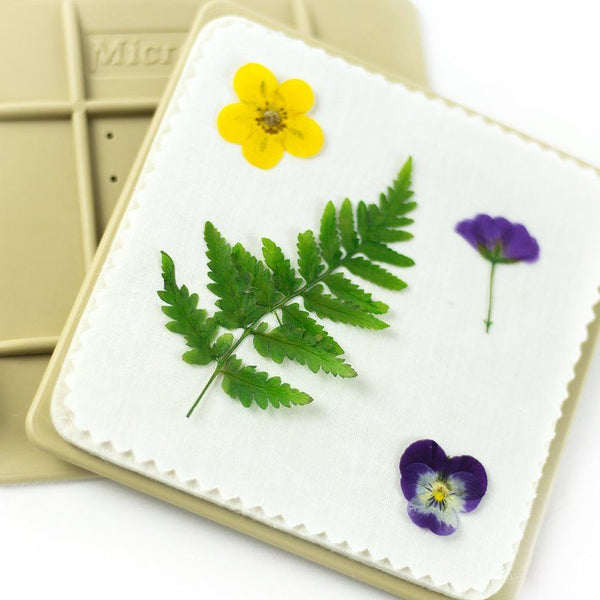
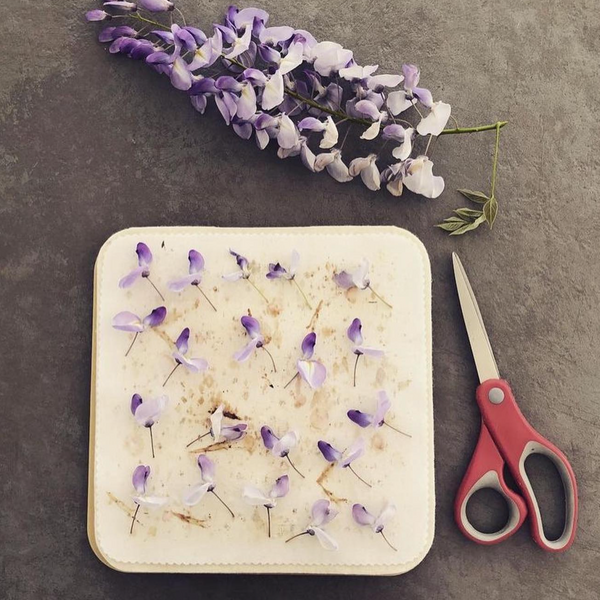
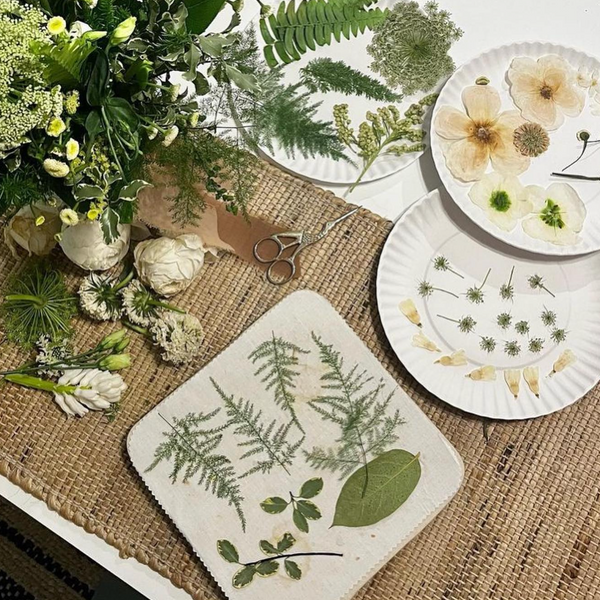
Pressing combines moisture removal and even pressure: absorbent sheets draw water from the petals while pressure flattens the bloom. Blotting paper, plain copy paper, and newsprint all work. Avoid wax paper - it traps moisture against the petals and can cause rot. The flat result works well for smooth, surface-focused designs.
Properly choosing and preparing flowers for pressing ensures the bloom dries in the shape you want. Pressing brings out petal edges and surface details rather than depth.
Flowers and Crafts That Suit Pressing
Some flowers and projects work better with this flat shape than others.
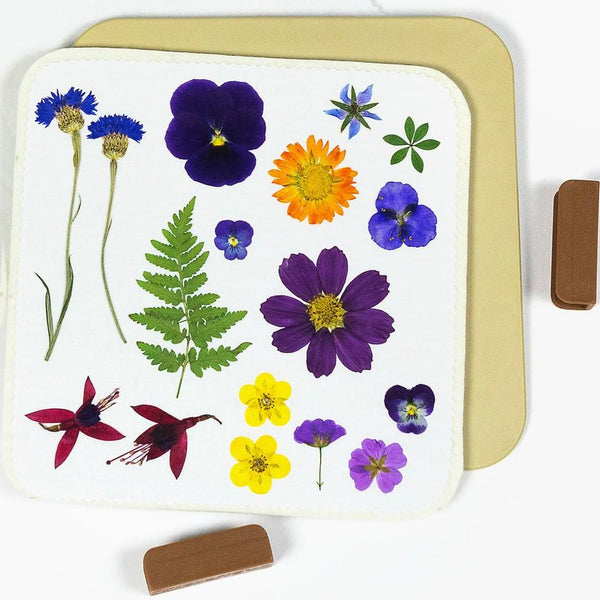
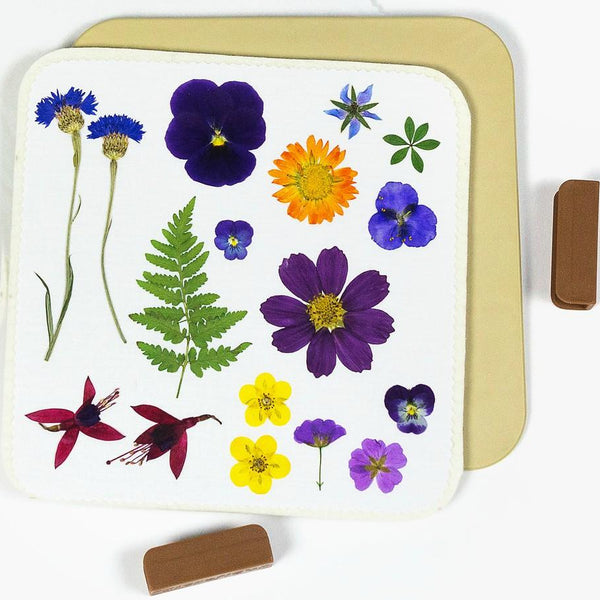
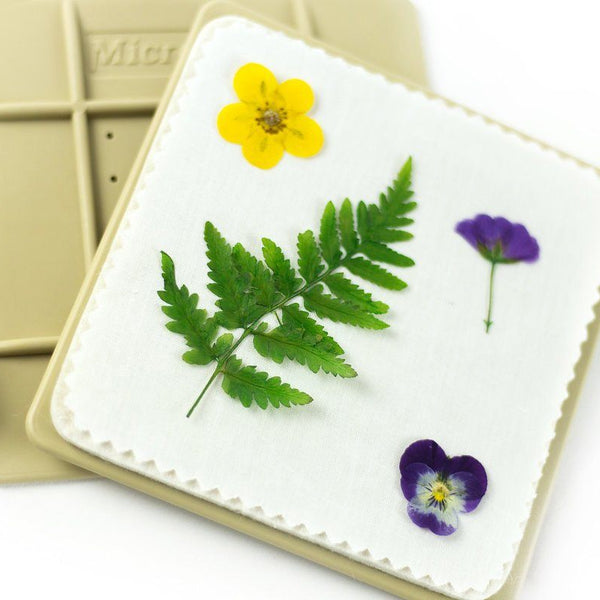
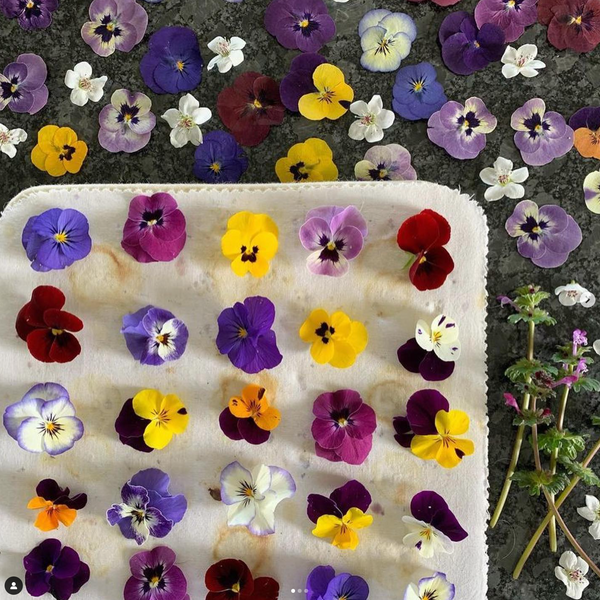
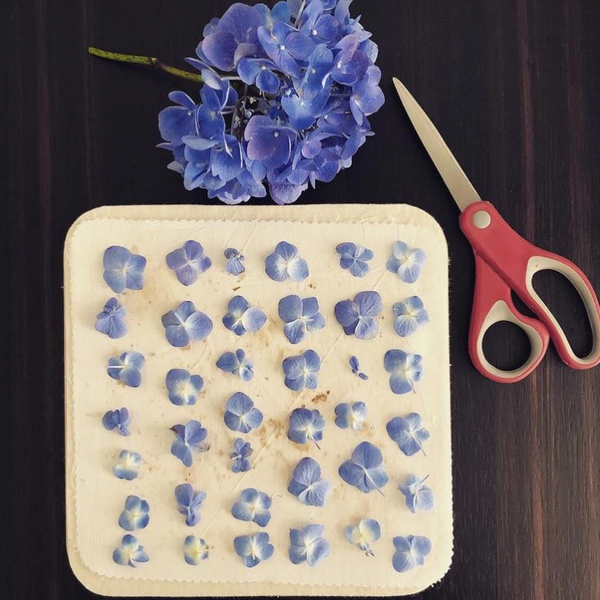
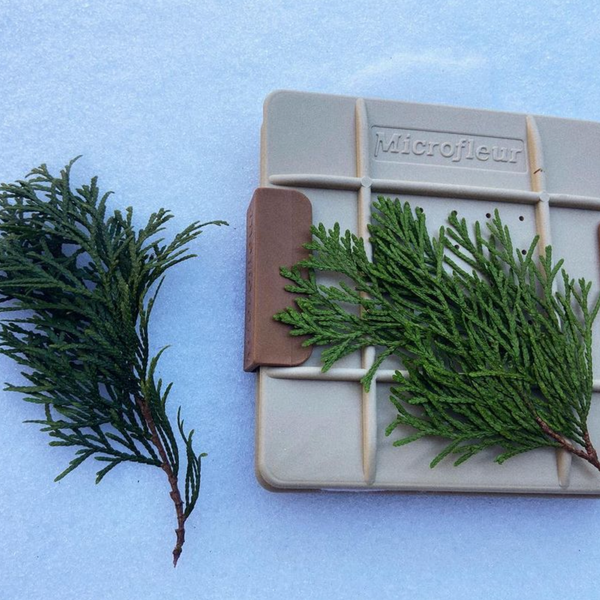
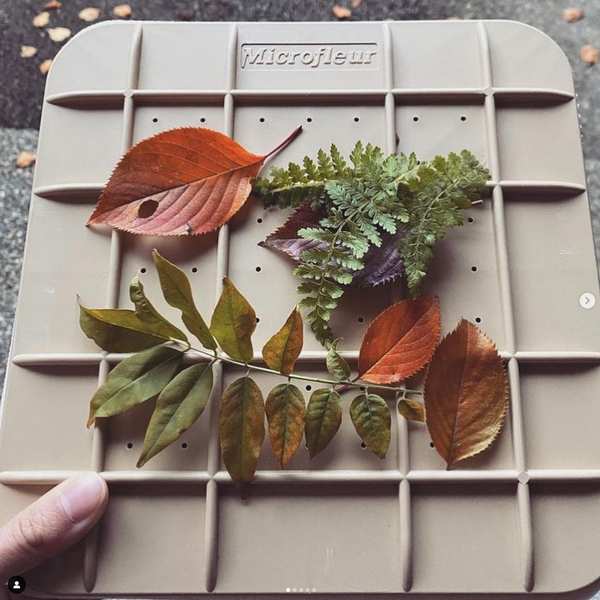
Start with naturally flat flowers such as pansies, violas, and cosmos, or flat foliage such as ferns and leaves. For roses and peonies, press individual petals; thick centers resist flattening. Gather flowers after morning dew has evaporated.
Use them for framed art, cards, bookmarks, journals, and shallow resin pieces. Choose flowers with clear outlines and surface details that will remain visible when flattened. To add visual depth, layer them over textured watercolor paper or patterned scrapbook paper.
Microwave Pressing With Microfleur
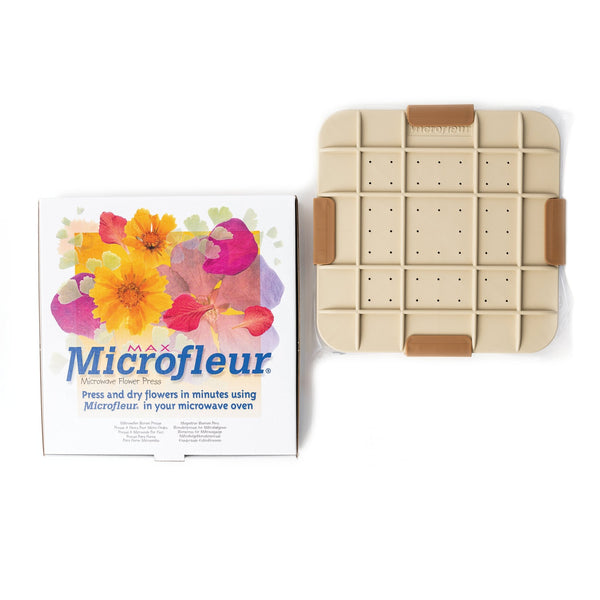
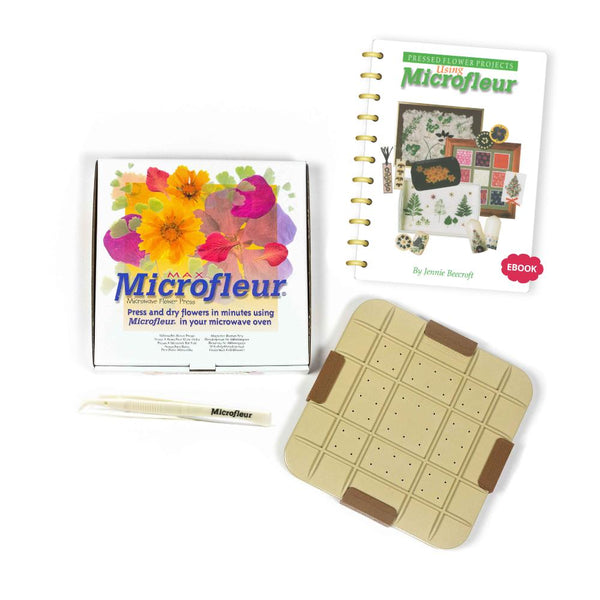
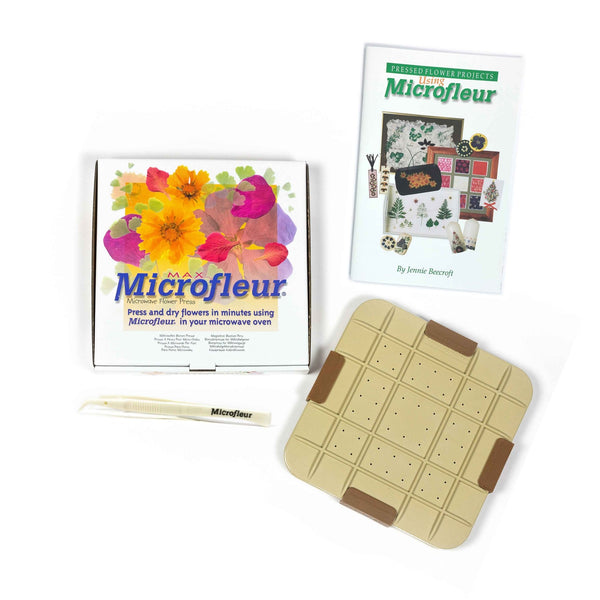
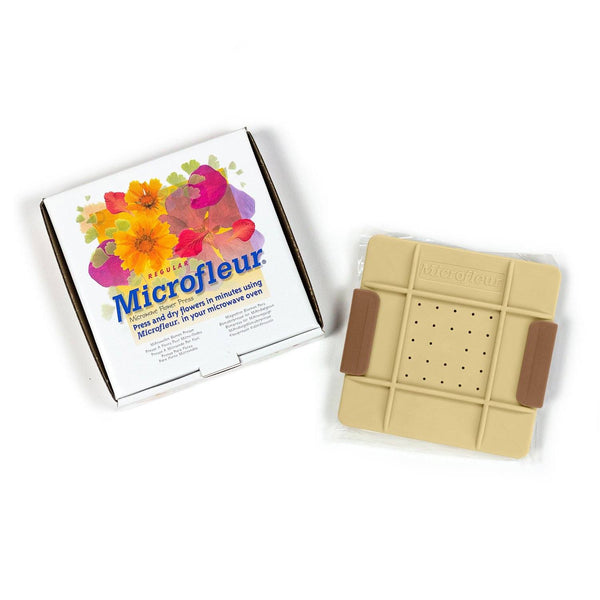
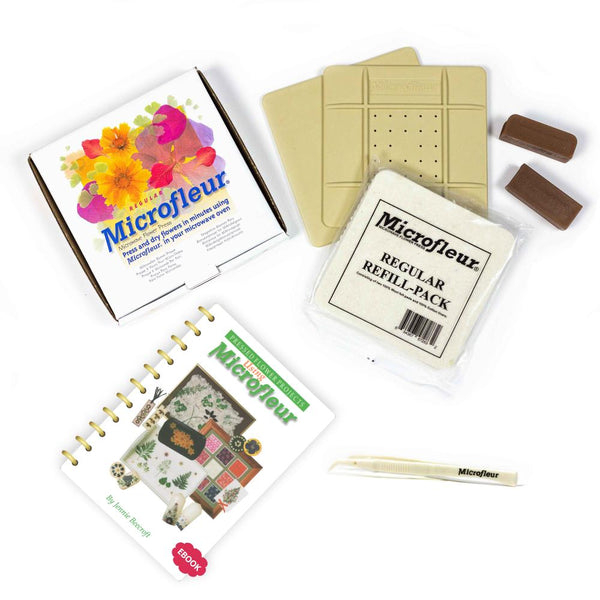
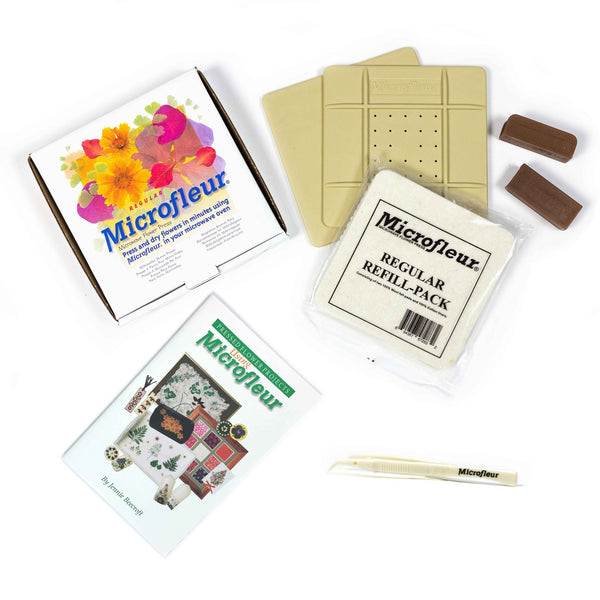
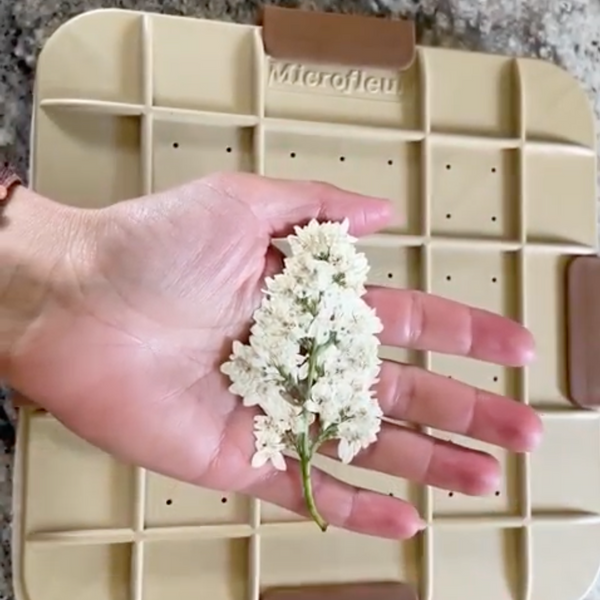
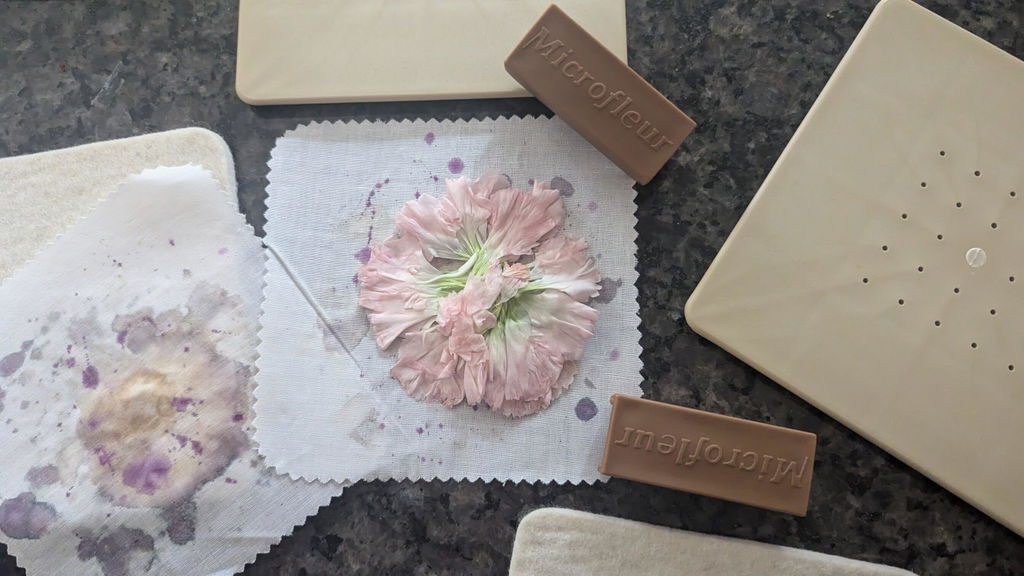
Microfleur kits combine microwave heat with press plates to flatten flowers quickly. Faster drying can help preserve color, but results depend on the flower and microwave. Follow the kit instructions and heat in short increments to reduce overheating and uneven results.
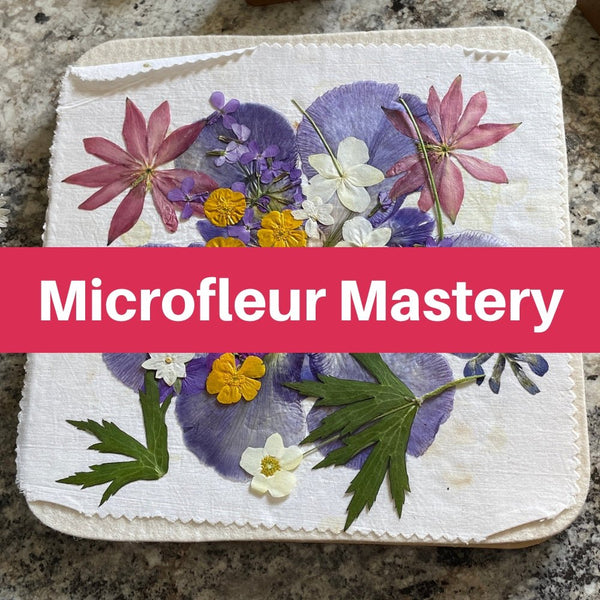
New to microwave pressing? The free Microfleur Mastery course walks you through timing and checking your flowers, step by step.
For more volume and a looser shape, air drying works better.
sbb-itb-80d8183
How Air Drying Preserves Flower Depth
Air drying helps flowers keep their depth because they dry without pressure. Hang bundles upside down in a dry, dark, well-ventilated space. This helps stems stay relatively straight, though blooms can still shrink and curl.
Remove unwanted leaves, then secure 5–10 stems with a rubber band. The band keeps the bundle snug as the stems shrink. Some flowers hold their shape better than others, though microwave flower pressing offers an alternative for those seeking speed and color retention.
Flowers That Suit Hanging
Choose healthy flowers at peak bloom: roses, lavender, statice, and strawflowers hold their shape well. Statice and strawflowers often retain color better than many other blooms. Delicate lilies may lose their petals entirely during drying.
Air-Drying Time and Display Uses
Allow 1–3 weeks for drying. Thick blooms and humid conditions need more time. Flowers are ready when they feel fully dry.
Their depth works well in bouquets, wreaths, and shadow boxes. Keep the stems for arrangements, and leave enough room in shadow boxes so the blooms don’t get crushed. Handle dried flowers gently - their petals become brittle.
Pressing vs. Air Drying: Shape, Time, and Care
Pressing flattens flowers; air drying keeps more of their depth. Drying time depends on the method, flower thickness, and water content - not just the shape you want.
Here’s how the two methods fit different projects.
| Feature | Flower Pressing | Air Drying |
|---|---|---|
| Drying position | Horizontal, between absorbent paper and weights | Vertical, hung upside down |
| Final shape | Flat, two-dimensional | Sculptural, 3D |
| Best uses | Framed art, cards, bookmarks | Bouquets, wreaths, shadow boxes |
| Depth and volume | Little depth; loses the bloom’s volume | Keeps more depth and volume |
| Typical drying time | Faster with microwave pressing | Days to weeks |
| Color changes | May hold color well, but slow moisture removal can cause browning | Colors may deepen, dull, or yellow |
Results vary by flower. For Microfleur, follow the flower-specific instructions. Microwave times vary by bloom, and short bursts help prevent scorching.
Neither method guarantees the original color or shape. Keep flowers out of direct sun and humidity with either method. Handle pressed petals with tweezers, and use a soft brush for air-dried blooms.
Which Method Fits Your Project?
Choose the method based on how you’ll display the flowers. Pressing works best for flat projects, while air drying keeps blooms three-dimensional.
| Project Type | Recommended Method | Why the Shape Fits | Preparation or Mounting Needs |
|---|---|---|---|
| Framed pressed flowers | Pressing | Pressed blooms sit flat in a frame. | Plan the layout and leave space between the flowers and the glass. |
| Greeting cards | Pressing | Flat blooms keep mailing bulk low. | Use a small amount of adhesive and rigid backing for mailing. |
| Bouquets | Air drying | Blooms keep their volume, and stems can be bundled. | Tie the stems, hang them upside down, and let them dry fully before arranging. |
| Vase arrangements | Air drying | Stems add height, while blooms add depth and shape. | Use a dry vase only. |
| Shadow boxes | Pressing for shallow boxes; air drying for deeper ones. | Flat flowers fit shallow boxes; fuller blooms need more depth. | Check the frame depth so blooms don’t touch the glass. |
Mounting Pressed Flowers in Frames and Cards
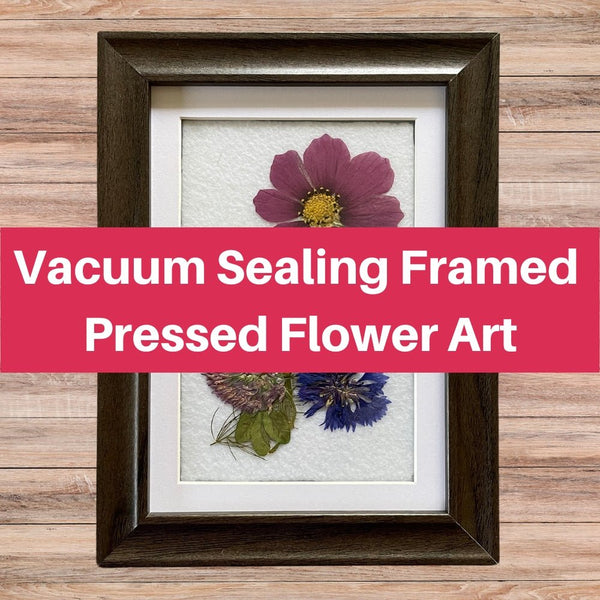
Pressed flowers need flat, shallow mounting. Arrange the design before gluing, handle fragile pieces gently, and apply a little adhesive to the backs. Too much glue can seep through or stain the petals.
Before closing a frame, check that thicker pressed flowers have enough clearance from the glass. For mailed cards, add rigid backing or a protective enclosure to help prevent bending and crushing. Even a flat design needs protection in transit.
Arranging Air-Dried Flowers
Air-dried flowers need room to hold their shape. Place brittle stems in dry vases, or secure them in wreaths and shadow boxes. Leave space around each bloom rather than pushing flowers into tight gaps.
Don’t add water. Keep displays away from direct sunlight and humidity to help reduce fading and mold.
Conclusion: Choose by Shape and Project Depth
Press flowers for flat art and cards (see more pressed flower projects), or hang them to air-dry for bouquets and displays that keep their shape. Start by choosing flowers at their peak, free of bruises or brown spots. Use petals only when they’re fully dry and papery - trapped moisture can cause browning or rot.
FAQs
Can I press flowers after air-drying them?
Avoid pressing flowers after they’ve been air-dried. By then, they’re stiff and brittle, so pressing can make the petals snap, crack, or shatter.
For the best results, press blooms while they’re still soft and pliable, before they lose their natural moisture and flexibility.
How can I tell if my flowers are fully dry?
Check the center and thickest parts of each flower, where moisture lingers longest. Fully dry flowers feel stiff and papery, with no cool, soft, or tacky spots.
For microwave pressing, check after each burst. If the petals feel cool or damp, or the center feels sticky, keep going with shorter bursts of 5 to 10 seconds. For air drying, check every 3–7 days over a period of 1–3 weeks.
Can I combine pressed and air-dried flowers in one display?
Yes, combining pressed and air-dried flowers adds depth, texture, and visual interest to a display. Pressed flowers lie flat, making them a good fit for framed art or cards. Air-dried flowers add volume and a three-dimensional shape.
Pairing delicate pressed blooms or flat leaves with the vintage look of air-dried bouquets creates balance in layered wall art, shadow boxes, or floral displays.
Related Blog Posts
-
Flower Pressing Guide
- Microwave Press vs Air Press for Monograms
- Whole Roses vs. Rose Petals: Pressing Compared