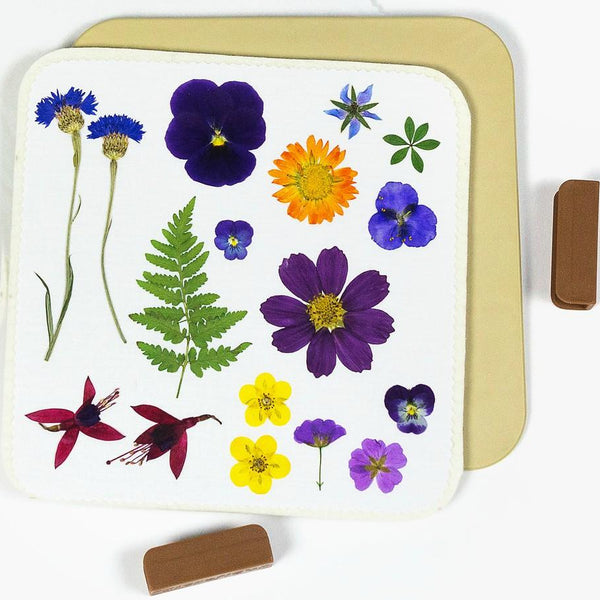

UV-resistant sealers can slow pressed flower fading - but they can’t stop it. My advice: seal only fully dried flowers, test a spare bloom first, and display your artwork away from sunlight in a room with about 40–50% relative humidity.
Here’s what I’d keep in mind:
- Light still matters. UV-filtering glass adds protection, but visible light can also fade petals. Choose a dim interior wall.
- Color changes vary. Flower pigments age differently; darker petals don’t always last longer.
- Moisture and heat cause damage, too. Keep flowers cool and dry, and store spare blooms in airtight containers with desiccant.
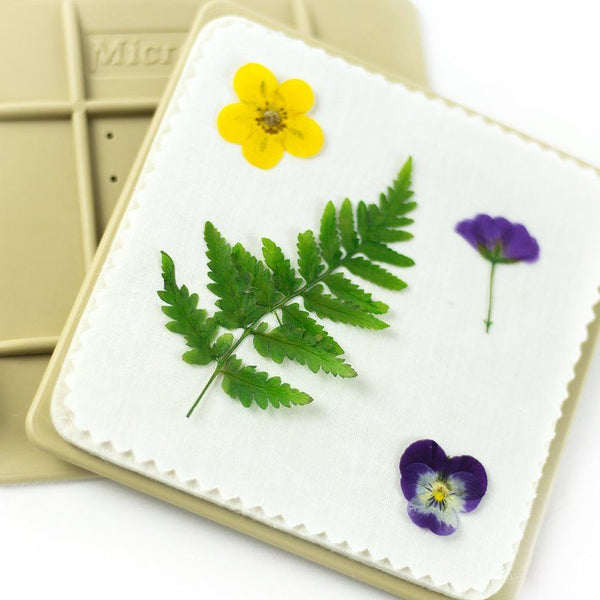
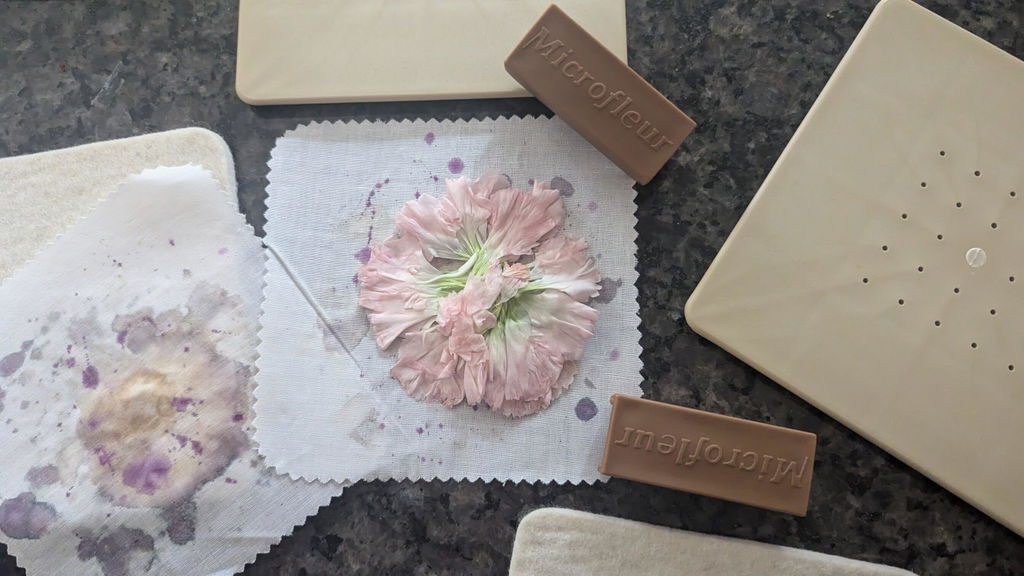
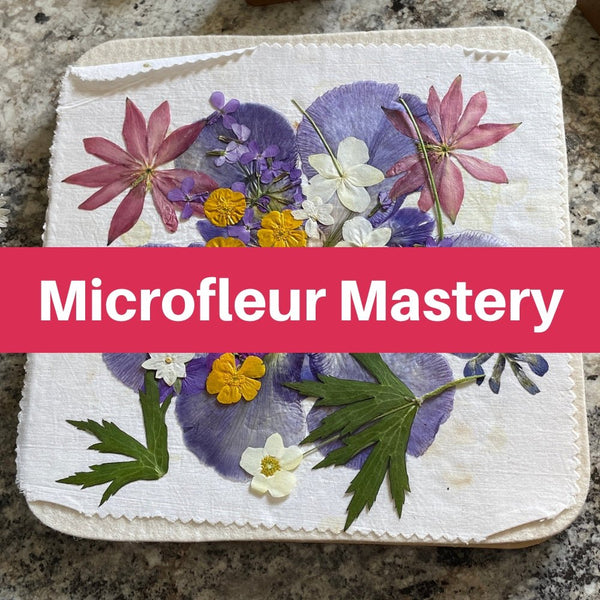
I’d treat sealer as one layer of protection, <u>not a permanent fix</u> - even for flowers dried with a microwave press.
Why Pressed Flowers Still Fade
UV protection slows fading, but it addresses only part of the damage process. Pressing preserves shape, not pigment stability. A petal can hold its shape while its color fades, yellows, or turns brown. How well it keeps its color depends on the flower species and its pigment chemistry.
How Flower Pigments Differ
Anthocyanins produce many reds, purples, and blues. Carotenoids produce many yellows and oranges, while chlorophyll gives leaves their green color. Each pigment ages at a different rate, so sealers won't produce the same results across flowers. Uneven pigment breakdown also means a flower may shift hue rather than simply fade.
Dark color doesn't mean slower fading. Deeply colored petals can lose saturation, while pale petals make even slight yellowing or browning easy to see. Choose colors for the look you want - not because you expect them to last longer. Light exposure then helps determine how fast those pigments break down.
How Light and Aging Change Color
UV radiation can trigger reactions that alter pigments, but visible light causes damage, too. Both brightness and exposure time matter. Direct sunlight speeds fading, while indirect daylight can gradually change colors with continued exposure. UV protection doesn't stop visible-light damage.
Heat can speed pigment breakdown, and oxygen can contribute to lost saturation and browning as tissues age. Keep artwork away from hot windows and heat sources. Protection limits exposure; it doesn't stop pigments from breaking down over time. Aging continues even in low light, and humidity can speed that damage.
sbb-itb-80d8183
How Humidity Affects Sealed Flowers
Moisture can soften petals, leave spots, encourage mold, and make flowers deteriorate faster. UV-resistant coatings don’t protect against damp air. Drying and storage matter just as much as the sealer you use.
Keep Indoor Humidity Steady
Keep pressed flower framed art in a cool room with steady conditions and about 40–50% relative humidity. Avoid damp areas.
Dry Flowers Fully Before Sealing
Let flowers dry completely before sealing them. Trapped moisture can turn petals brown and muddy their color. Store extra dried flowers in airtight containers with desiccant paper. Once moisture is under control, display location becomes the next factor that limits how long colors last.
Where to Display Pressed Flower Art
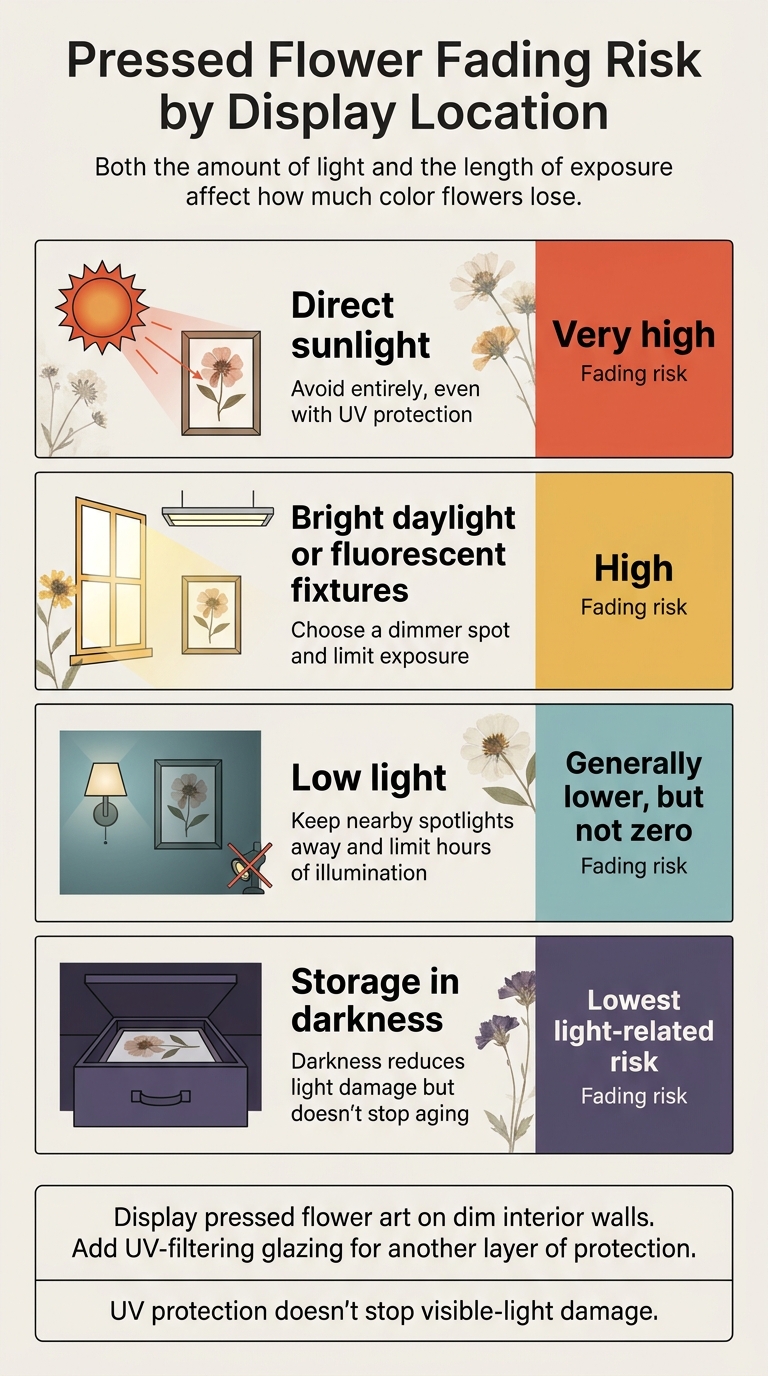
Pressed Flower Fading Risk by Display Location
Once you preserve flower color and blooms are fully dry and humidity is under control, light becomes the next risk for fading. Display pressed flower art on dim interior walls.
Fading Risk by Display Location
Both the amount of light and the length of exposure affect how much color flowers lose.
| Display condition | Fading risk | Practical guidance |
|---|---|---|
| Direct sunlight | Very high | Avoid entirely, even with UV protection |
| Bright daylight or fluorescent fixtures | High | Choose a dimmer spot and limit exposure |
| Low light | Generally lower, but not zero | Keep nearby spotlights away and limit hours of illumination |
| Storage in darkness | Lowest light-related risk | Darkness reduces light damage but doesn't stop aging |
Pair UV Filtering With Low Light
After choosing a dim display spot, add UV-filtering glazing for another layer of protection.
Conclusion: How to Slow Pressed Flower Fading
Once you’ve chosen a display spot, take these steps to help slow fading.
Seal flowers only when they’re fully dry. Test the sealer on a spare flower and check for discoloration after it cures.
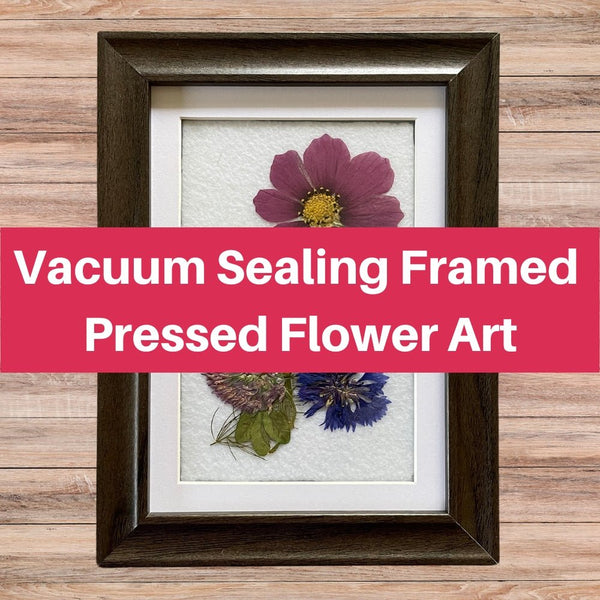
For framed keepsakes, pair UV-filtering glazing with low light and stable indoor humidity. Check the frame and flowers for fading, yellowing, moisture damage, and loose seals.
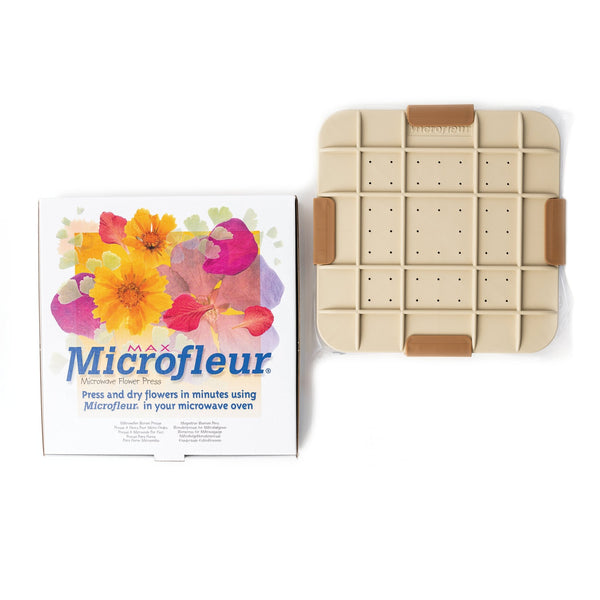
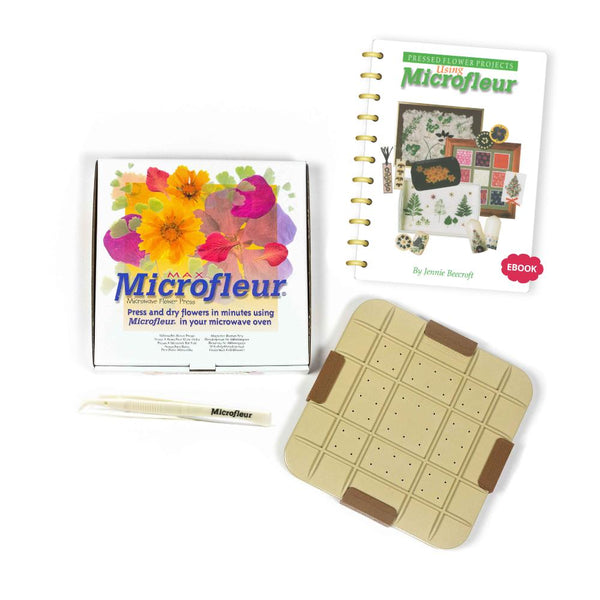
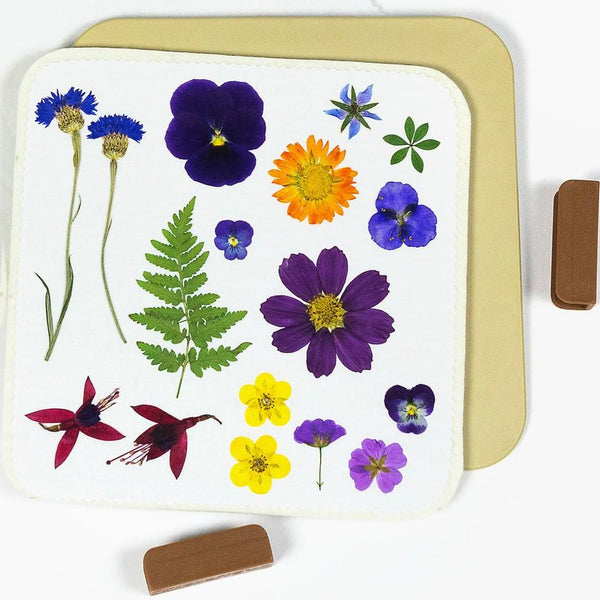
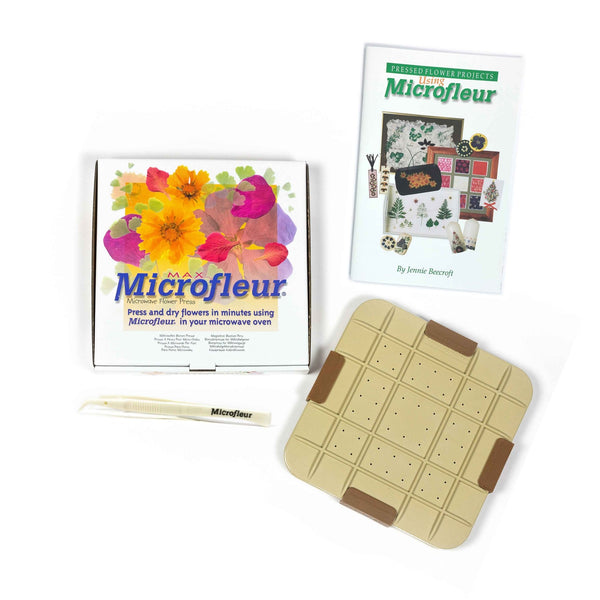
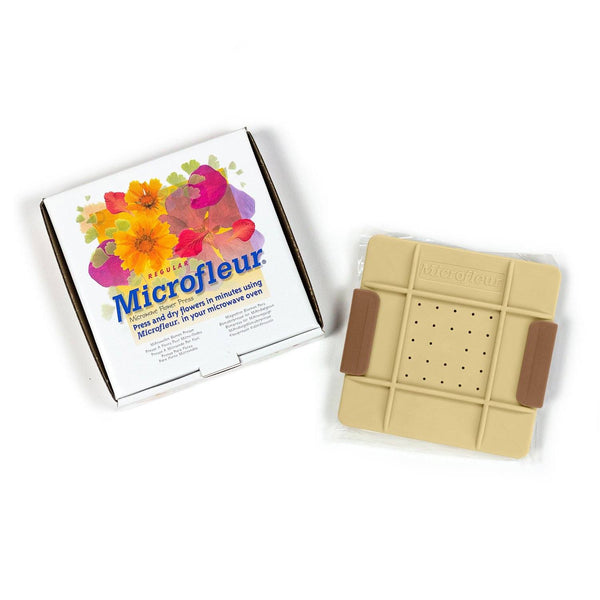
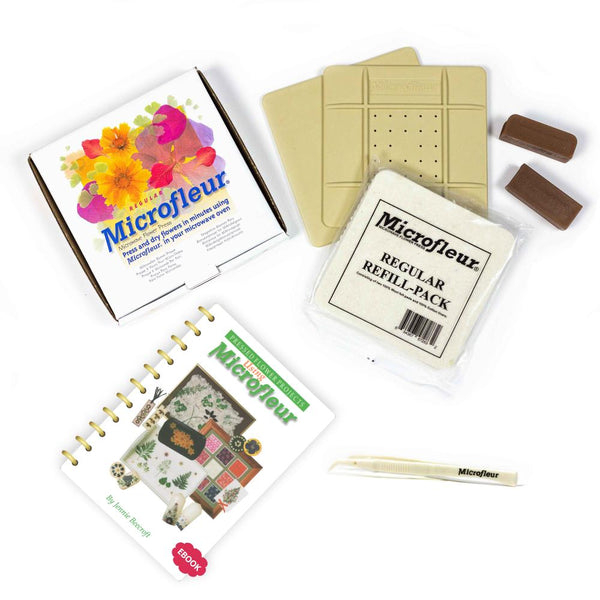
Flowers pressed with a Microfleur microwave flower press still need UV filtering, low light, and dry storage.
UV-resistant sealers slow fading, but they can’t stop it entirely.
FAQs
How can I tell if my flowers are dry enough to seal?
Flowers need to be completely dry before sealing to prevent mold, staining, or browning. Check that they feel stiff, flat, wrinkle-free, and completely cool. Soft, warm, or damp petals need more drying time.
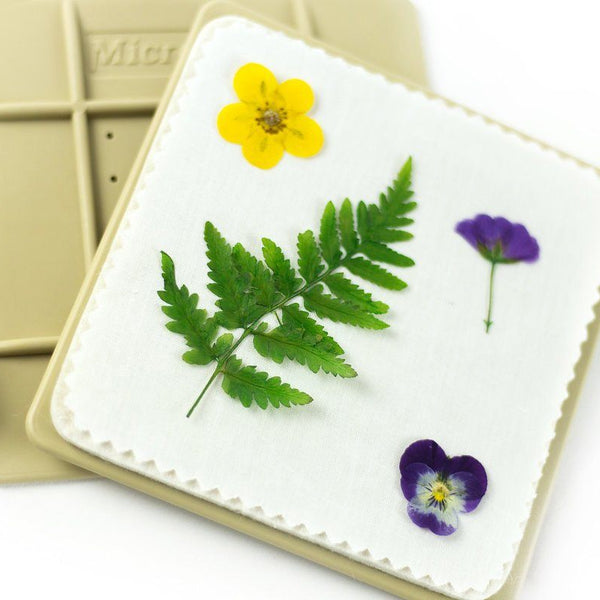
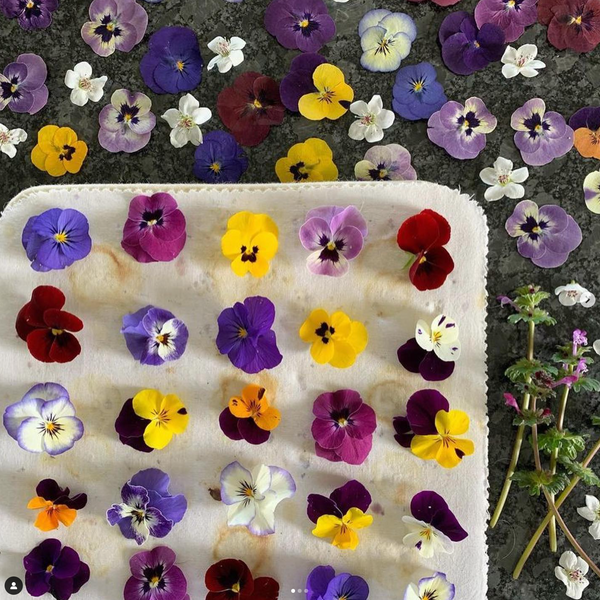
A microwave flower press lets you check dryness in short, controlled cycles. This helps you make sure all moisture is gone before sealing, framing, or storing the flowers long-term.
Can I restore faded pressed flower colors?
No. Once pressed flowers fade, their original color can’t be restored. Light, moisture, and time permanently damage the pigments. Painting faded petals can improve how they look, but it won’t bring back their natural color.
For future projects, dry flowers completely before sealing them to prevent trapped moisture and discoloration. Keep finished displays in cool, dry, shaded spots away from direct sunlight - the main cause of long-term bleaching.
How can I spot moisture damage inside a frame?
Check the frame every few months for condensation inside the glass, mold, or brown spots and stains on the petals or mounting board. Petals that shift, curl, or soften may also mean moisture has found its way back into the frame.
Watch for these signs early - damage to pressed flowers’ color and shape is hard to reverse.