
Pressed flower wall art will fade, but you can slow the color loss by limiting light and keeping flowers dry. Start here: frame only papery-dry blooms, use UV-filtering glazing, and hang the piece away from sun, heat, and humidity.
Focus on 3 things:
- Flower choice and drying: Bloom age, pigments, and thick centers affect color and moisture retention.
- Framing: Using framed pressed flowers kits with acid-free materials and space between petals and glass helps limit damage.
- Care: Dust the glazing with a dry cloth and check for color changes, condensation, and mold.
Some fading is normal. Moisture damage needs prompt attention - and UV-filtering glass won’t make flower color permanent.
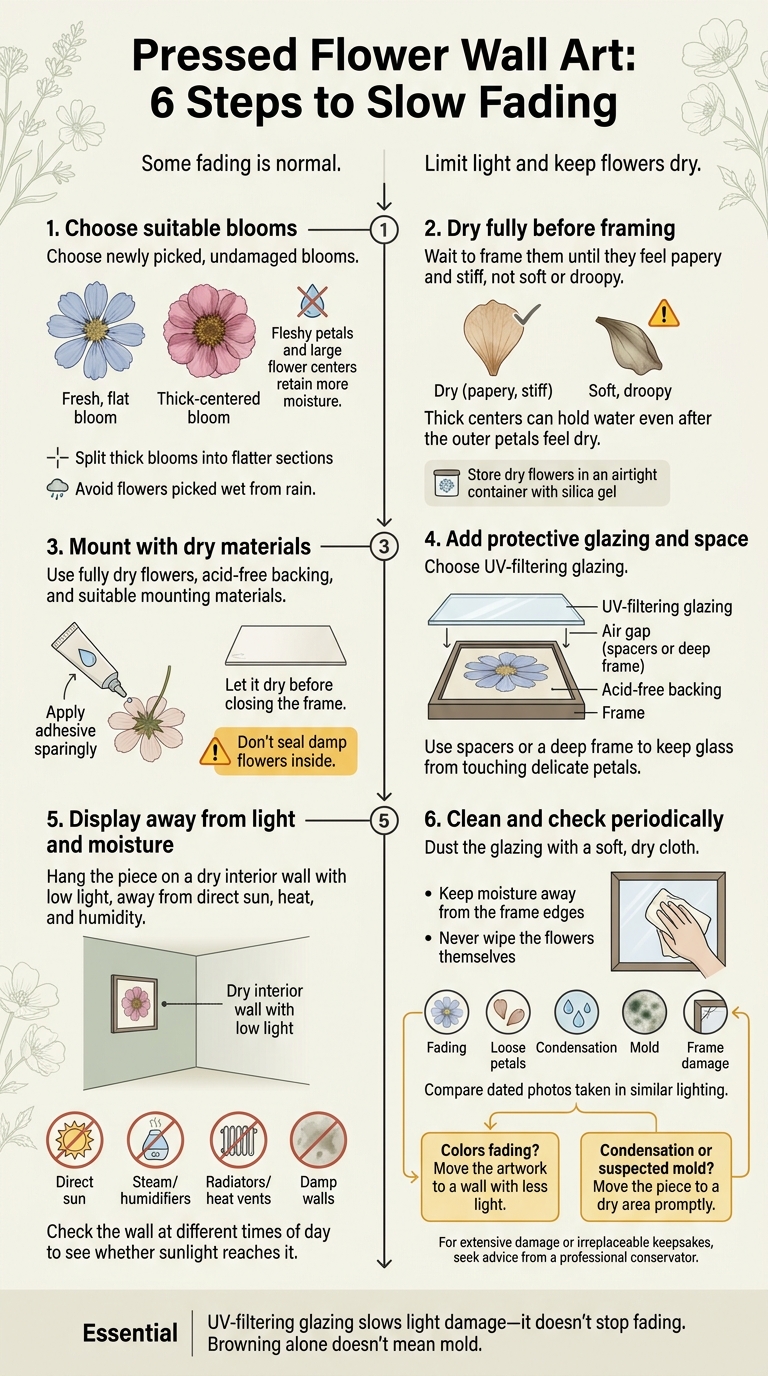
Pressed Flower Wall Art: 6 Steps to Slow Fading
What Causes Fading and Discoloration
Sunlight Breaks Down Flower Pigments
Direct sunlight speeds up color loss, but some indoor lights can fade petals, too. UV-filtering glazing slows light damage - it doesn’t stop fading. Display pressed flowers away from direct sun and fluorescent lights instead of relying on protective glass alone.
Light weakens color over time, while trapped moisture can damage petals faster.
Moisture Causes Browning, Mold, and Warping
Browning that begins at the center usually points to moisture trapped during pressing or storage, especially when petals also pucker or warp. Thick centers can hold water even after the outer petals feel dry.
Changes in humidity can also discolor pressed flowers after framing. Browning alone doesn’t mean mold, but visible mold needs immediate attention. Check for dampness before putting the artwork back on display.
Flower Type and Condition Affect Color
Some flowers hold their color longer because of their pigments and structure. Yellow and orange carotenoid pigments generally resist browning better than red and purple anthocyanins, which are more sensitive to pH changes and slow drying. Younger blooms also tend to keep their color longer than older ones.
Petal thickness matters, too. Fleshy petals and large flower centers retain more moisture, increasing the risk of browning as they dry. For future pieces, split thick blooms into flatter sections to help them dry evenly, and avoid flowers picked wet from rain. These steps help prevent moisture damage before framing.
sbb-itb-80d8183
Prepare and Frame Flowers to Limit Damage
Once you know what causes fading, drying and framing are your first chances to limit moisture and light damage.
Choose Undamaged Flowers and Dry Them Fully
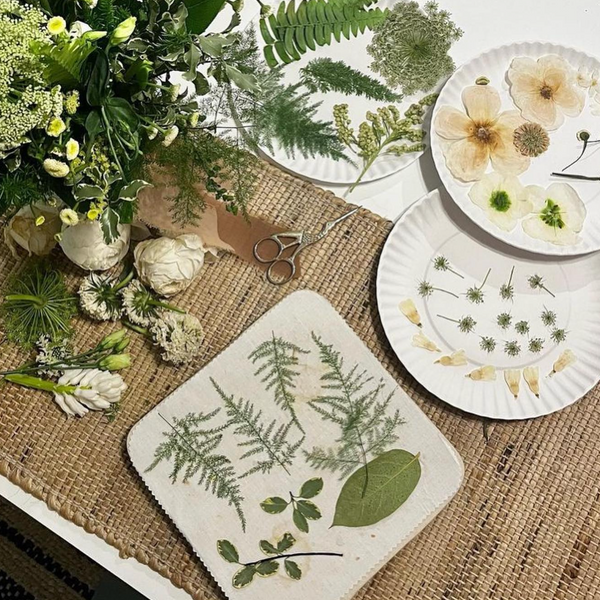
Choose newly picked, undamaged blooms. Wait to frame them until they feel papery and stiff, not soft or droopy.
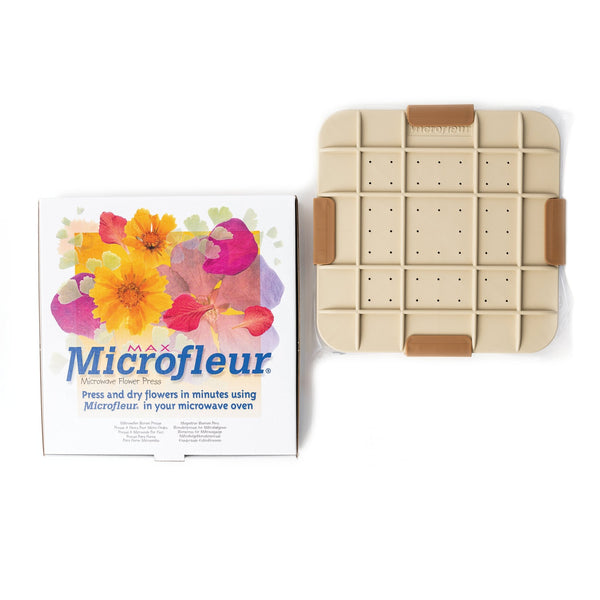
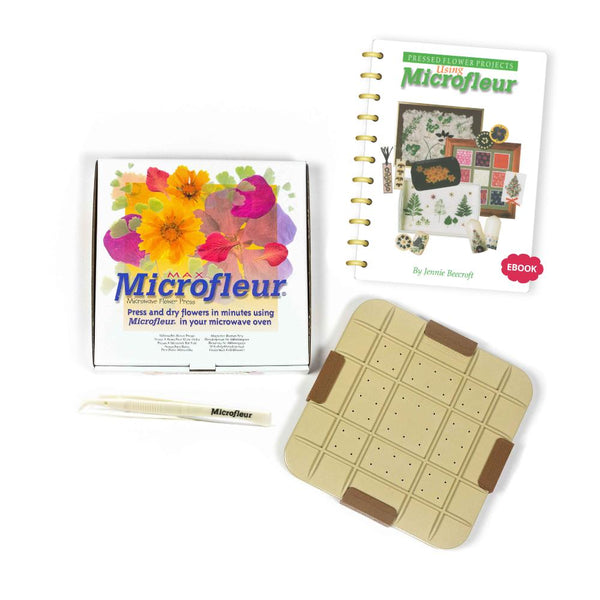
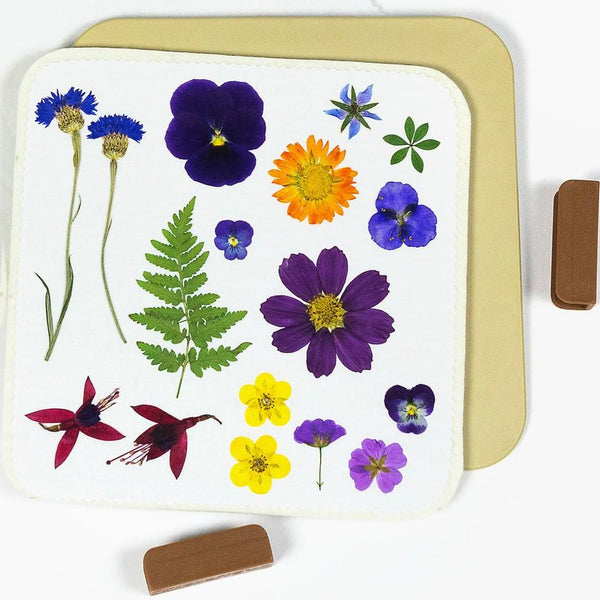
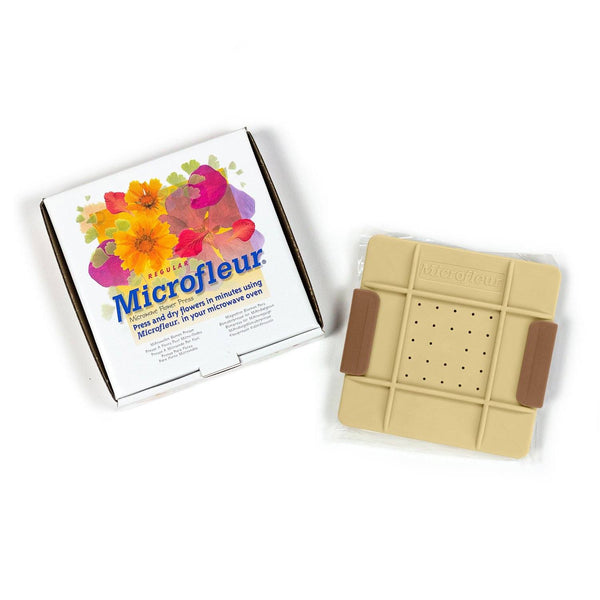
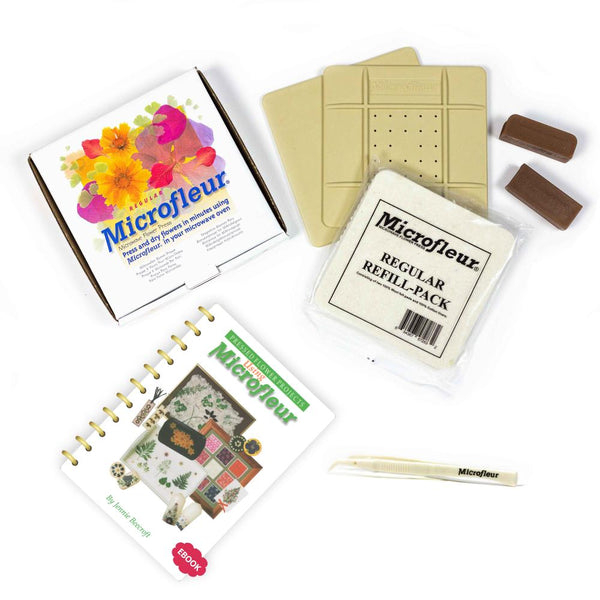
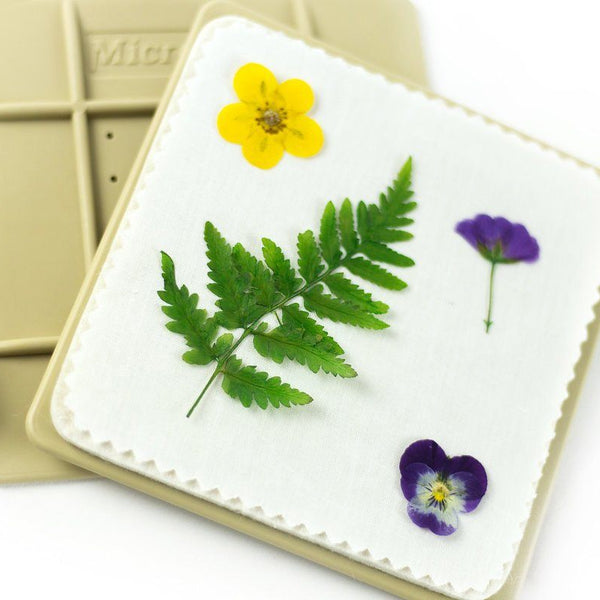
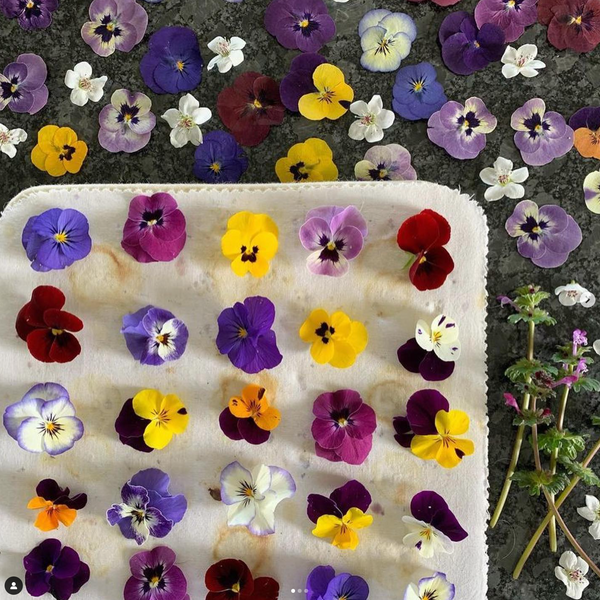
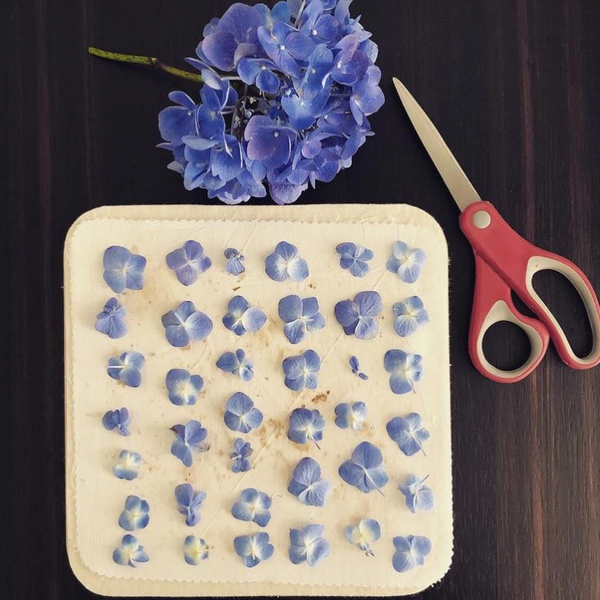
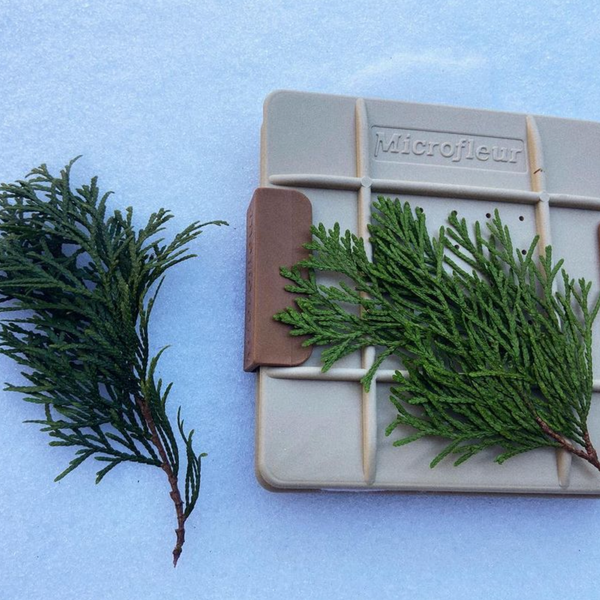
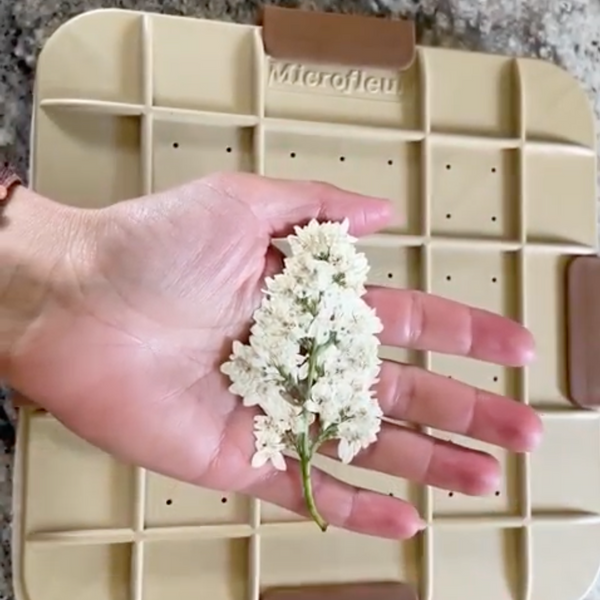
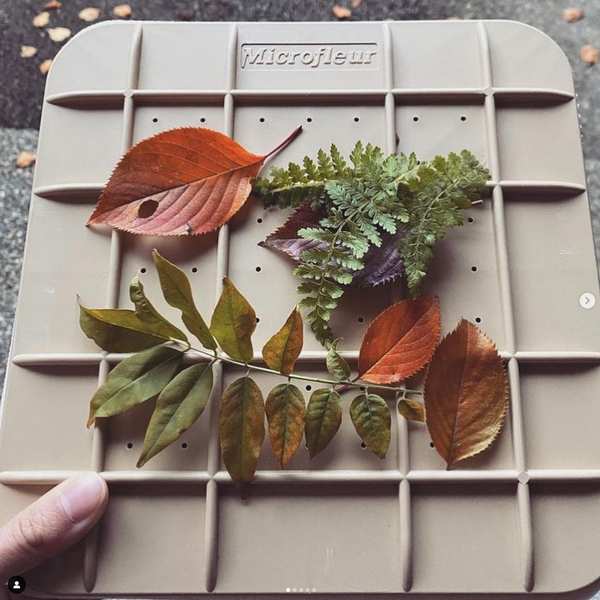
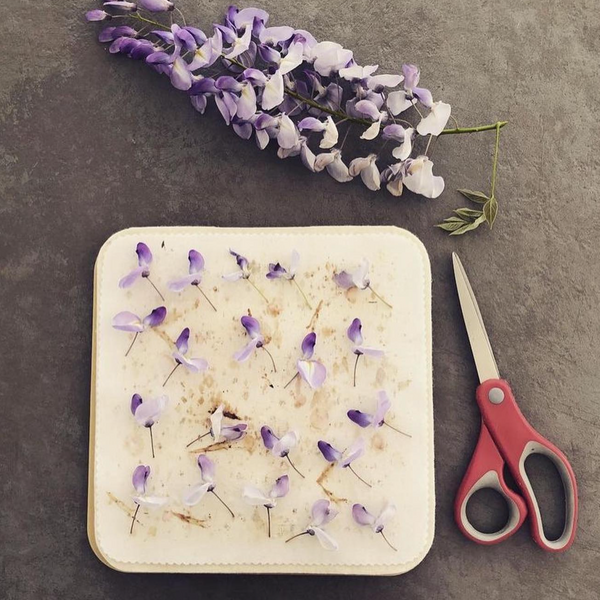
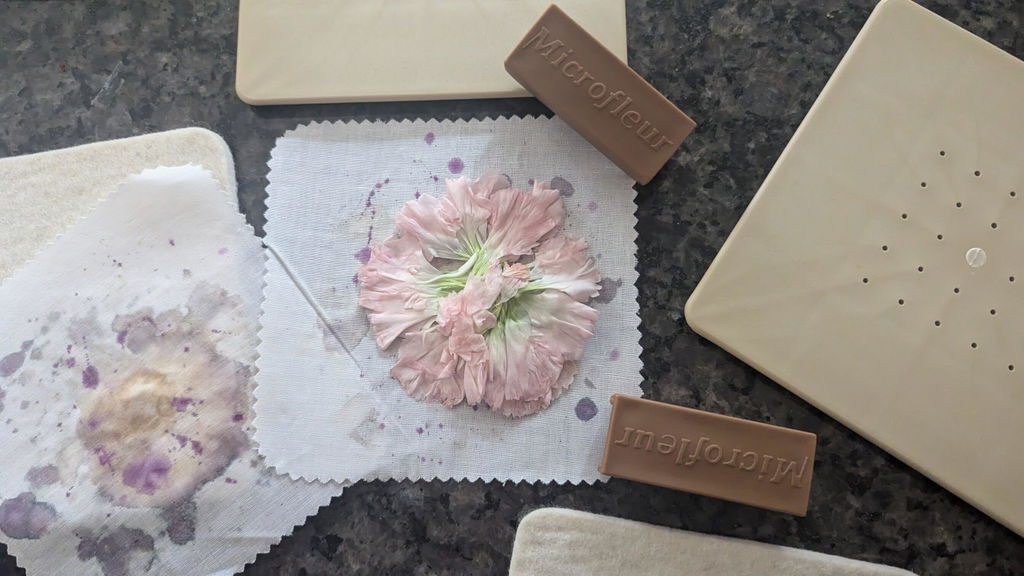
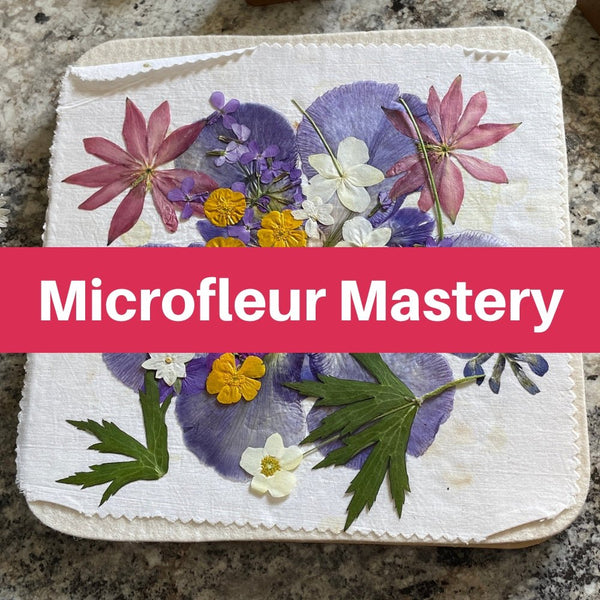
Microfleur microwave flower presses remove moisture quickly to speed up drying. Flower type and how recently the blooms were picked still affect color retention. Use short bursts to avoid scorching delicate petals, wipe the moisture off each platen after every burst, and never leave the microwave unattended.
Use UV-Filtering Glazing and Leave Space for Petals
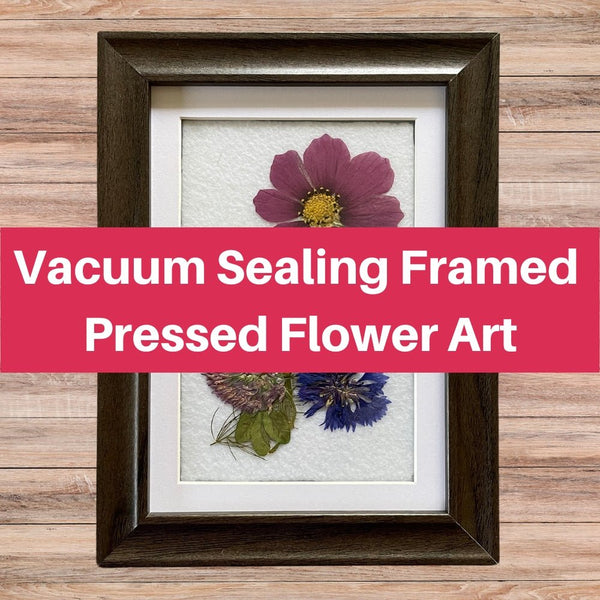
Choose UV-filtering glazing to reduce UV exposure, and use spacers or a deep frame to keep glass from touching delicate petals.
Standard glazing needs spacers, while shadow-box frames provide extra depth. Both spacers and shadow boxes can be paired with UV-filtering glass.
Keep Flowers and Framing Materials Dry
Use fully dry flowers, acid-free backing, and suitable mounting materials. Apply adhesive sparingly: too much glue can soak into petals and make them curl. Let it dry before closing the frame.
Frames don’t block moisture completely, so don’t seal damp flowers inside. If you need to wait before framing, store dry flowers in an airtight container with silica gel.
Framing slows damage, but display conditions still determine how fast colors change.
Display and Care for Pressed Flower Art
Once your flowers are framed, where you hang them is the main factor in how fast they fade.
Choose a Dry Wall Away From Sun and Heat
Hang the piece on a dry interior wall with low light, away from direct sun, heat, and humidity. UV-filtering glazing slows light damage, but it won’t stop fading. Check the wall at different times of day to see whether sunlight reaches it.
| Risky placement | Main risk | Safer placement |
|---|---|---|
| Direct sun | Pigment breakdown and bleaching | Interior wall with low, indirect light |
| Near steam or humidifiers | Browning, mold, and warping | Dry living room or hallway |
| Radiators or heat vents | Brittleness and frame damage | Temperature-stable wall away from heat and airflow |
| Damp exterior wall | Condensation and moisture damage | Dry, well-ventilated interior wall |
Clean Glazing Without Wetting the Frame
Dust the glazing with a soft, dry cloth. Keep moisture away from the frame edges, and never wipe the flowers themselves. Proper flower preparation before framing also helps maintain structural integrity during cleaning.
Check for Fading, Condensation, and Mold
Check periodically for fading, loose petals, condensation, mold, and frame damage. Compare dated photos taken in similar lighting to spot slow color loss. If the colors are fading, move the artwork to a wall with less light.
If you notice condensation or suspect mold, move the piece to a dry area promptly. For extensive damage or irreplaceable keepsakes, seek advice from a professional conservator.
Conclusion: Limit Light and Moisture Exposure
Moisture left in the center can discolor petals later. Once flowers are fully dry, where you display them as framed art matters most.
After framing, limit exposure to light and humidity. This care slows fading, but it won’t make the color permanent.
FAQs
How long will my pressed flowers keep their color?
Pressed flowers can hold their color for years if you dry and store them properly. But fading is natural - and permanent. Stronger pigments, like those in red roses or blue delphiniums, usually last longer than paler colors.
To slow fading, use UV-filtering glazing and keep frames out of direct sunlight. Store unused flowers in airtight containers in a cool, dark place to shield them from light, heat, and moisture.
Can I restore faded pressed flowers?
No. Light, moisture, and time permanently break down the flowers’ natural pigments, so their original color can’t be restored. Painting faded petals can improve how they look, but it won’t return them to their natural state.
To slow further fading, keep pressed flower art away from direct sunlight, fluorescent lights, and humid areas. UV-protective glazing can also help slow fading, but it won’t stop it entirely.
How can I tell fading from moisture damage?
Watch how the flowers change. UV-related fading gradually drains their color, leaving them washed out. Moisture damage often shows up as browning, blotches, decay, or mold when moisture gets trapped in the flowers or seeps into the frame.
Condensation behind the glass or dark spots on petals point to moisture. Before displaying the flowers, check that they feel dry, papery, and thin.