
There is something quietly magical about opening a press to find a once-live bloom transformed into a flat, delicate keepsake. Flower pressing is one of those crafts that feels both timeless and personal. You don't need complicated tools or a studio to begin, and the results can be as simple as a card for a friend or as meaningful as a framed piece of heirloom art.
For many people, the joy of flower pressing starts with a single flower that carries a memory. Maybe it is a bloom from a garden you love, a handful of wildflowers gathered on a hike, or the bouquet from a wedding day. Pressing flowers gives you a way to hold onto those moments, and the process itself can become a calming ritual you look forward to.
The best part is that flower pressing does not demand perfection. Some blooms will turn out exactly as you hoped, and others will fade, curl, or surprise you. Learning to accept those imperfections is part of the craft, and it makes the successes feel even sweeter.
Why Flower Pressing Brings Joy
Flower pressing is a gentle, low-pressure hobby. It asks you to slow down, notice the small details of a petal or leaf, and work with your hands. The technique is simple enough for a beginner, yet it offers endless room for creativity as you learn what works best for different flowers.
Once you have mastered the basic steps, you will find many uses for the flowers and leaves you press. You can decorate special cards for family and friends, create beautiful art for your home, or build a collection of herbarium sheets that record the plants growing in your garden. Each project becomes a small expression of something you noticed and wanted to keep.
The hobby also fits naturally into a busy life. Because you can press flowers in a book, in a wooden press, in a microwave press, or with an iron, there is likely a method that suits your schedule and space. You can press a single stem on a quiet afternoon or dedicate a whole weekend to a larger project. The flexibility means flower pressing can grow with you, whether you have five minutes or five hours.
Choosing the Right Flowers to Press
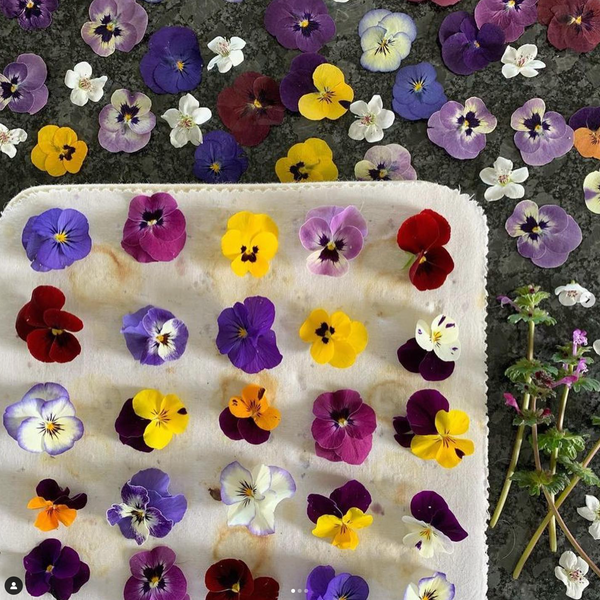
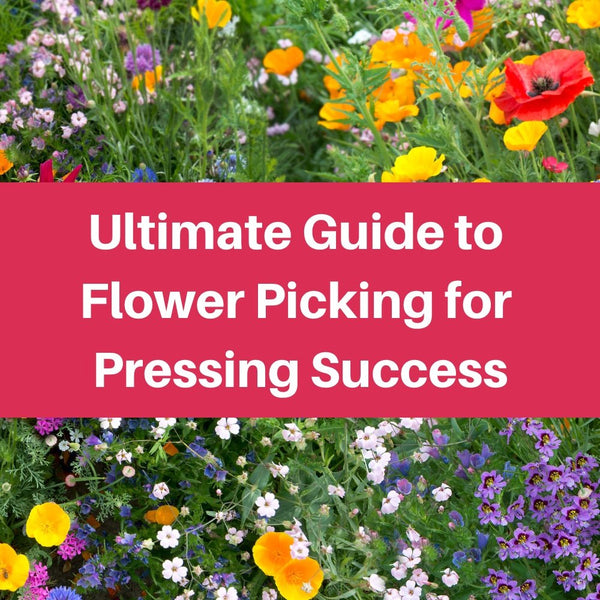
Not every flower presses the same way, so it helps to start with blooms that are naturally flat or have soft, delicate petals. Violets, pansies, daisies, cosmos, baby's breath, and ferns are excellent choices for beginners. These flowers lie flat easily and dry predictably, which makes them satisfying to work with.
When you pick flowers, do so in a spot where you have permission to pick them. Carefully take a section from a plant and try not to damage other flowers or take too many. Respecting the plants around you keeps the practice sustainable and ensures there will be more blooms to enjoy in future seasons.
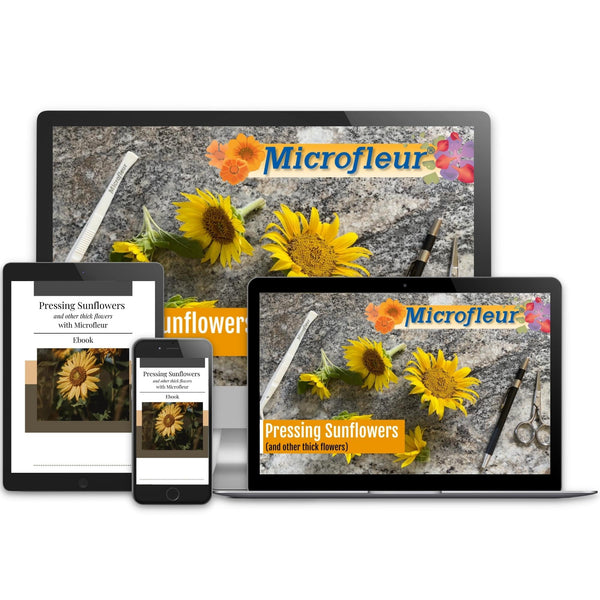
If you are drawn to thicker flowers such as orchids or roses, you can still press them with good results. Before pressing, split the flower down the middle with a sharp knife. This helps the thicker parts dry evenly and prevents the center from becoming bulky.
You might also find joy in pressing flowers that mark the passing seasons. The blooms available to you will change throughout the year, which keeps the collecting fresh and gives you a reason to notice what is growing around you.

What You Need to Get Started
One of the best things about flower pressing is how little you need to begin. Many people start with items they already have at home, then add a dedicated press once they know they love the craft.
-
A heavy book for the simplest pressing method
-
A traditional wooden or metal flower press kit with accessories for more consistent pressure
-
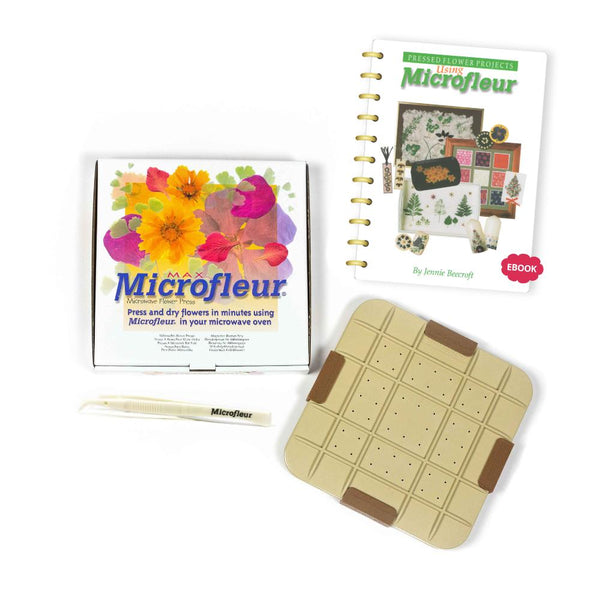
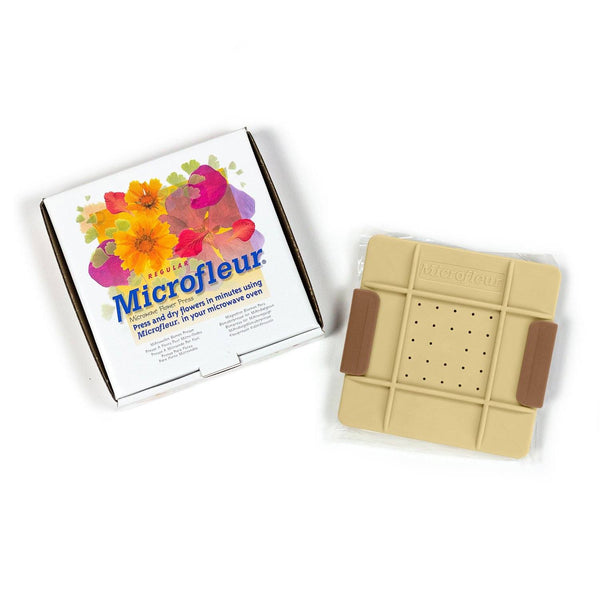
A microwave flower press for fast drying and strong color retention
-
Cardboard and paper for layering flowers inside a press
-
A sharp knife for splitting thick flowers like roses and orchids
Flower press kits come in a wide range of styles, from simple wooden designs to larger models with extra features. If you plan to press frequently, look for a durable kit with accessories that make the process easier. Some presses are extra large at 11 by 11 inches, hold ten layers of flowers, and are built with thick premium wood so they resist warping. Portable designs are also handy if you like to press flowers while traveling.
Three Simple Ways to Press Flowers
There are four common methods for pressing flowers: pressing in a book, using a traditional wood press, using a microwave press, or pressing with an iron. Each has its own rhythm, and many crafters enjoy trying more than one before settling on a favorite.
Pressing Flowers in a Book
Pressing in a heavy book is the most accessible method and a wonderful place to start. You simply place your flowers between sheets of paper, close the book, and wait. The weight of the book flattens the flowers as they dry. This method takes patience, but it requires almost no special equipment, which makes it perfect for a first attempt. A stack of additional books on top can add even more pressure if you need it.
Using a Traditional Wooden Press
A wooden flower press gives you more control and consistent pressure. Flower press kits are available in large, durable wooden or metal options, often with accessories to make the process easier. The sturdy construction keeps flowers flat while they dry, and the layers allow you to press several flowers at once. Because many wooden presses are portable, you can take yours along when you gather flowers away from home.
Using a Microwave Flower Press
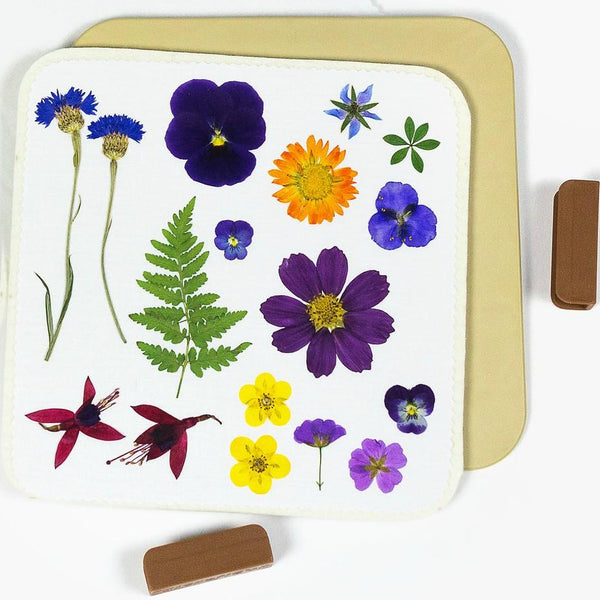
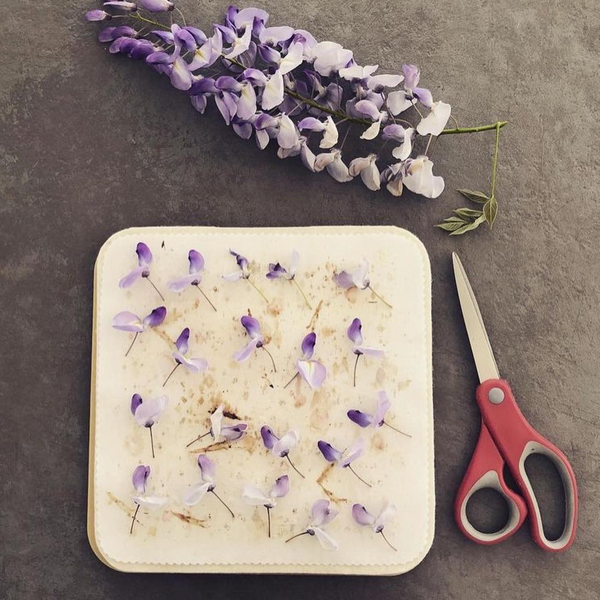
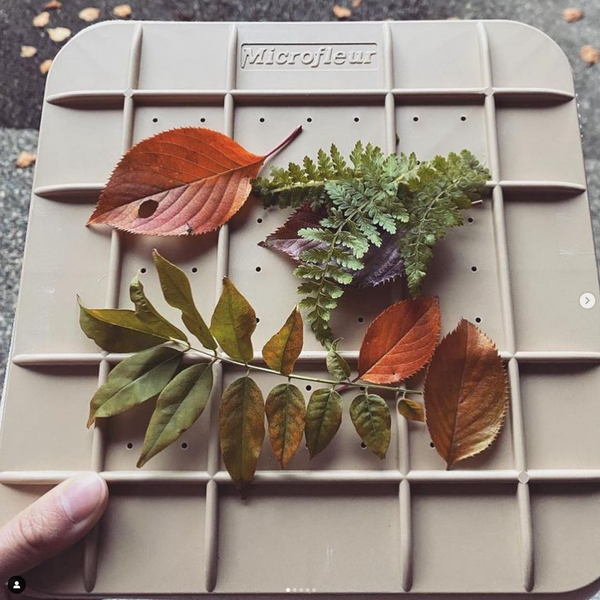
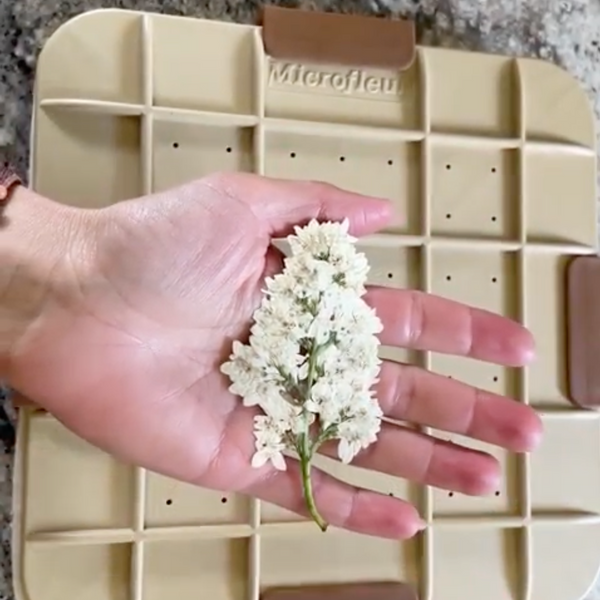
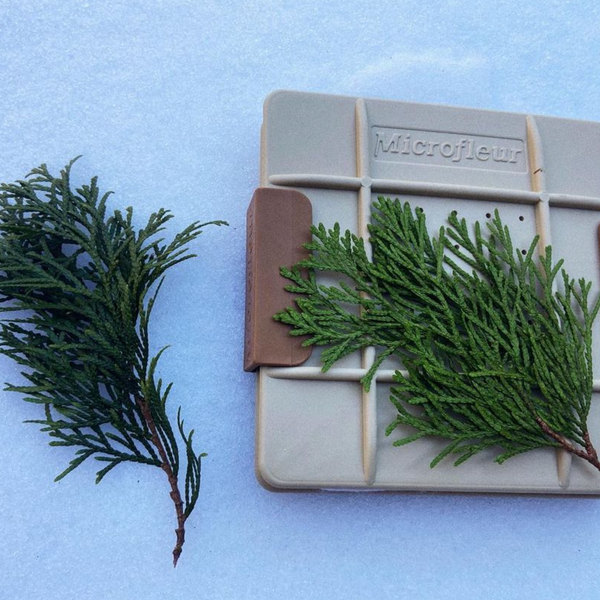
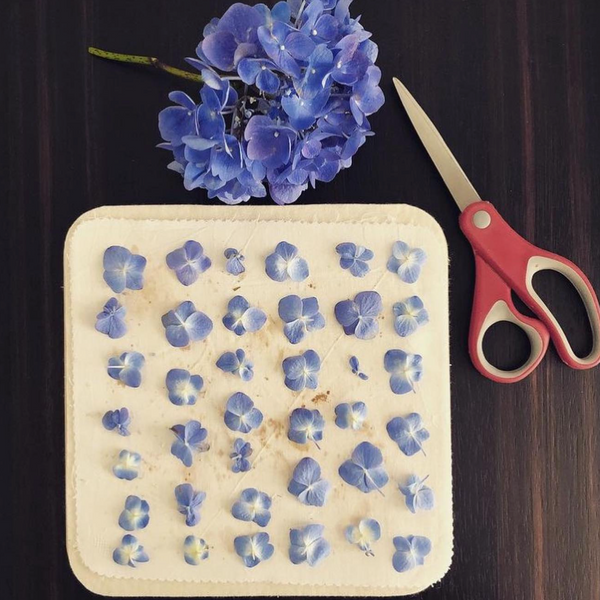
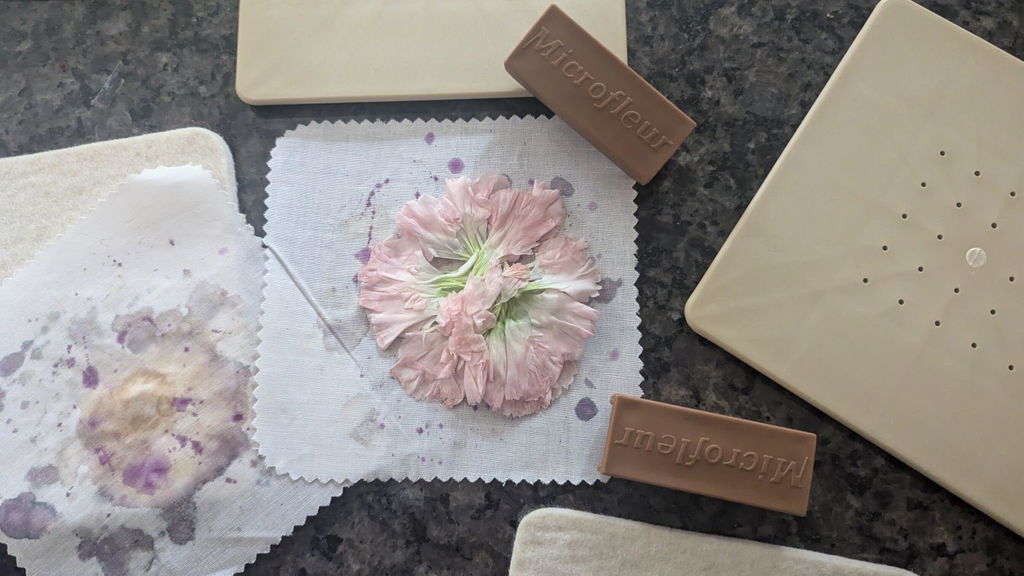
Microwave flower presses are a favorite for crafters who want results quickly. These kits dry flowers in a fraction of the time traditional methods require, and they are known for helping flowers hold their color. A microwave press is an excellent choice when you are short on time or want to preserve a bouquet before the petals fade. It is also satisfying for beginners who want to see results the same day they pick their flowers.
Building Your Own Wooden Press
If you enjoy working with wood or want a custom press, you can make one at home. A homemade wooden press uses a few basic materials and gives you a sturdy tool you will use for years.
-
Drill holes in the boards so you can tighten the press evenly.
-
Arrange your flowers in between layers of cardboard and paper.
-
Screw in the bolts to apply steady pressure.
This simple setup creates firm, even pressure that flattens flowers as they dry. The cardboard and paper absorb moisture, while the boards keep everything flat and stable. Building your own press also adds a layer of satisfaction to the craft, since the tool itself becomes part of the project and can be customized to the size you prefer.
Creative Ways to Use Pressed Flowers
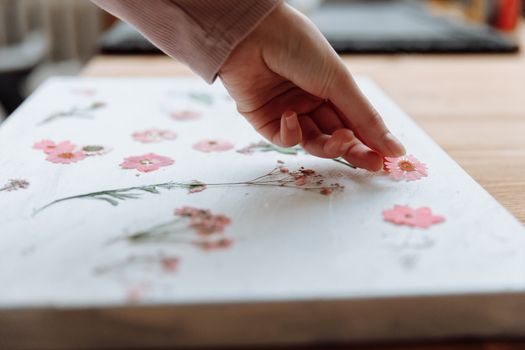
Once you have a collection of pressed flowers, the creative possibilities feel endless. The most classic use is decorating cards for family and friends. A pressed flower on a card adds a personal touch no store-bought card can match, and it turns a simple greeting into a handmade gift.
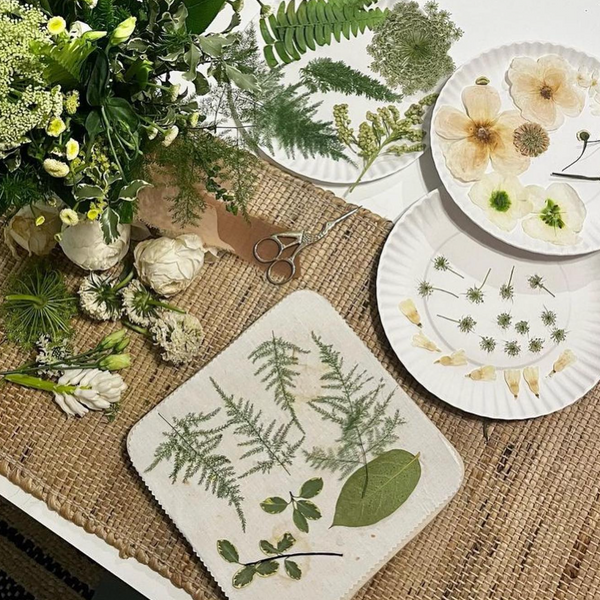
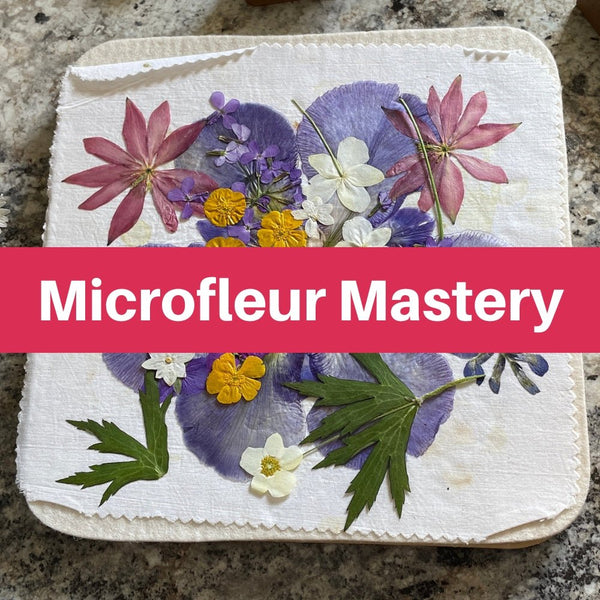
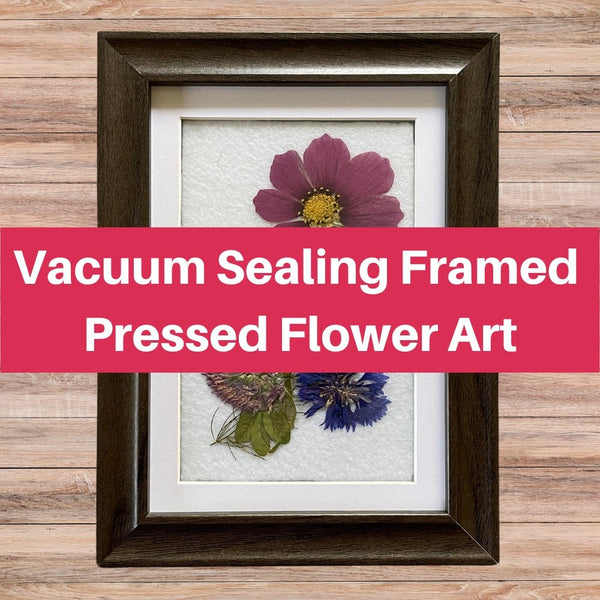
You can also create framed art by arranging pressed blooms into small compositions. Some people enjoy making herbarium sheets, which document the plants growing in a particular place. These sheets become a record of seasons, gardens, and walks, and they are lovely to look back on over time.
Pressed flowers can also be used in journaling, scrapbooking, gift tags, and other paper crafts. Because each flower is unique, every project carries its own quiet story. Over time, you may find yourself looking at flowers differently, noticing which ones will press well and imagining how they might look on a card or in a frame.
Pressed flower projects also make thoughtful gifts. A bookmark, a framed bloom, or a set of cards decorated with flowers from a shared memory can mean more than anything bought from a store. When you give pressed flower art, you are sharing a piece of your own time and attention.
Pressing Flowers for Special Occasions
Some of the most meaningful pressed flower projects begin with important life moments. Wedding bouquets and other sentimental flowers can be preserved as custom heirloom art. Many people choose to press their wedding flowers so they can keep the memory of that day in a lasting form.
This kind of project often calls for a little extra care, since the flowers have deep personal value. Whether you press them yourself or work with a service, the result is a keepsake that can be displayed and shared for years. The same approach works for anniversary flowers, birthday blooms, or flowers from a loved one's garden.
When the flowers hold a special story, the pressing process becomes more than a craft. It becomes a way to honor a moment, a person, or a place. Knowing that the finished piece will be seen and remembered adds meaning to every careful step.
Tips for a Joyful Pressing Practice
-
Start with naturally flat flowers like violets, pansies, daisies, and ferns to build your confidence.
-
Pick only where you have permission, and take only what you need so the plants can keep growing.
-
For thick flowers such as roses or orchids, split them down the middle with a sharp knife to help them dry evenly.
-
Try more than one method to find the rhythm you enjoy most.
-
Keep your pressed flowers in a dry place until you are ready to use them in a project.
-
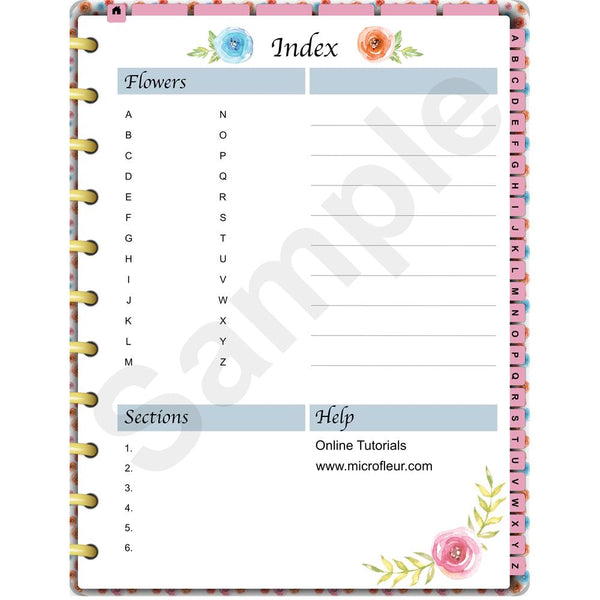
Document your favorites in a journal so you can remember which flowers and techniques worked well.
Flower pressing rewards patience and curiosity. Some flowers will surprise you with how well they hold their shape and color, while others will teach you something new for next time. That sense of discovery is part of the joy, and it grows with every press.
Frequently Asked Questions
What is the best way to press flowers?
There is no single best method, only the one that fits your needs. Pressing in a book is simple and accessible, while a wooden press offers steady pressure and control. A microwave press is the fastest option as well as has the best color retention. Each has their own learning curve so embrace the process.
What flowers are best for pressing?
Flowers that are naturally flat or have soft, delicate petals are the easiest to press. Violets, pansies, daisies, cosmos, baby's breath, and ferns all press beautifully and are great for beginners. Thicker flowers like roses and orchids can also be pressed if you split them down the middle first.
How do you press thick flowers like roses or orchids?
Thick flowers need a little preparation before pressing. Use a sharp knife to split the flower down the middle, which allows the thicker parts to dry evenly. Once split, you can place it in your press just like any other flower. This technique helps prevent bulky centers and gives you a flatter, more delicate result.
Is flower pressing a difficult hobby?
Flower pressing is a simple technique that anyone can learn, and once you master the basics, you will find many uses for your pressed flowers. The hobby is forgiving, so mistakes simply become part of the learning process. Most people find it a relaxing way to spend time and a satisfying way to preserve nature.