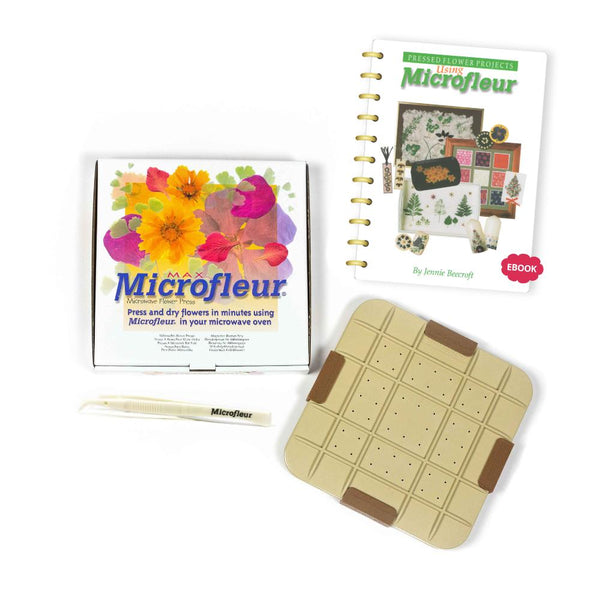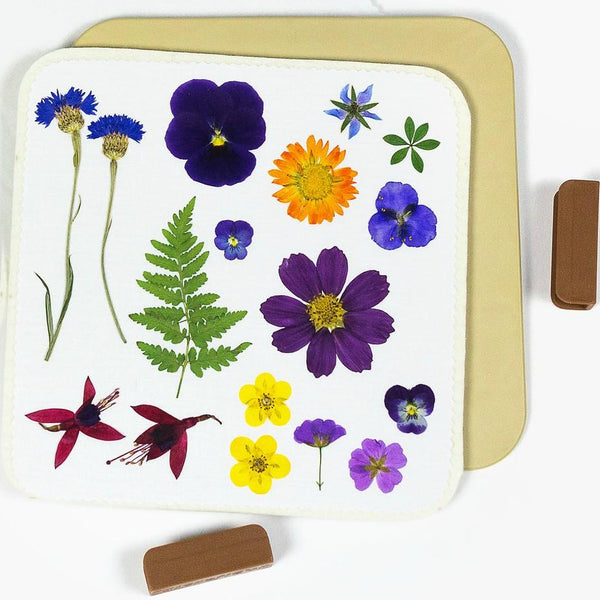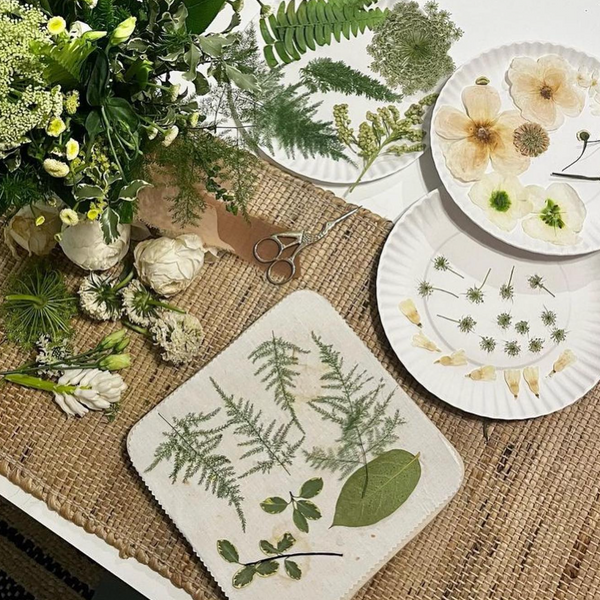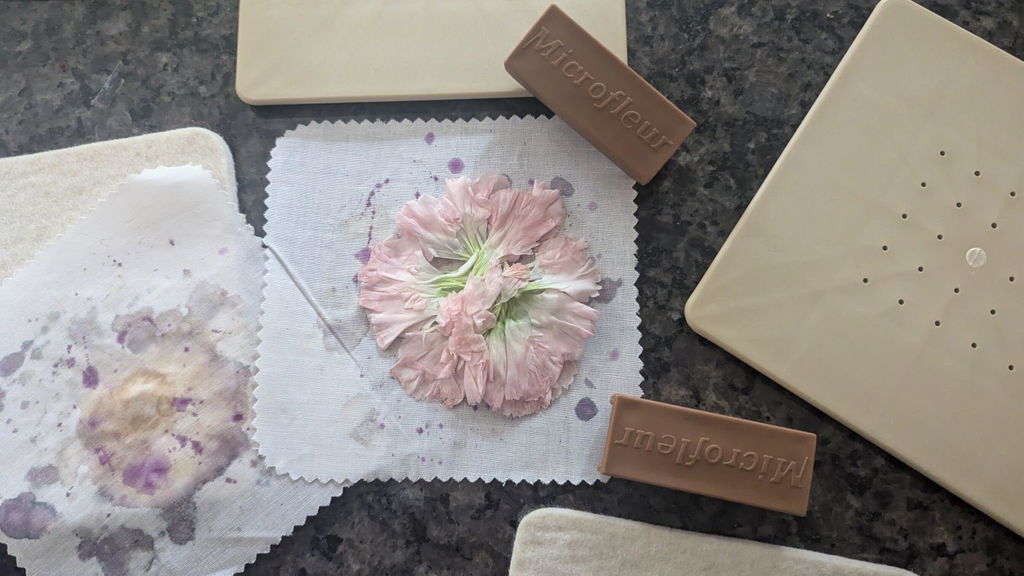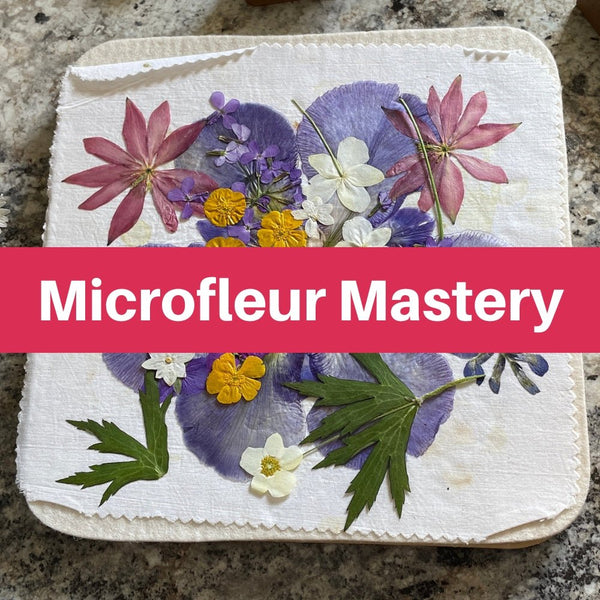
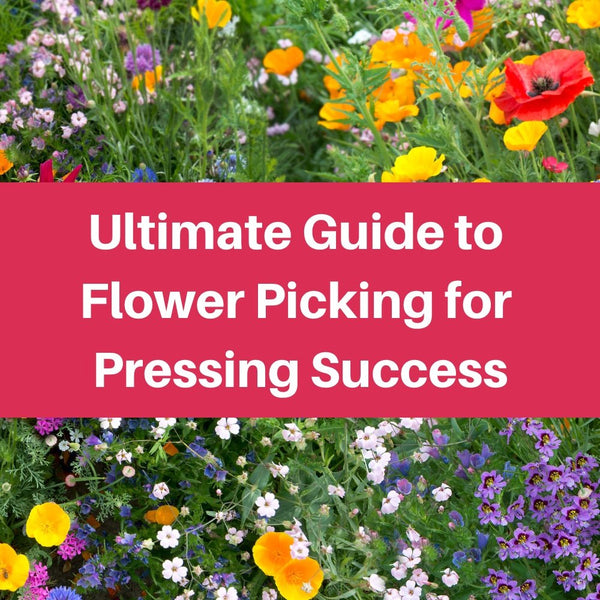




Preserving the fleeting beauty of a garden is a rewarding pursuit, but the biggest challenge for any crafter is keeping those colors from fading into a muddy brown. At Microfleur, we know that while traditional pressing can take weeks and often results in muted tones, our unique microwave method locks in brilliance by removing moisture rapidly. Understanding how different pigments react to the drying process allows us to choose the best specimens for our art. By following a few simple guidelines, we can ensure our botanical creations remain as striking as the day they were picked.

Why Yellows and Oranges Are the Gold Standard
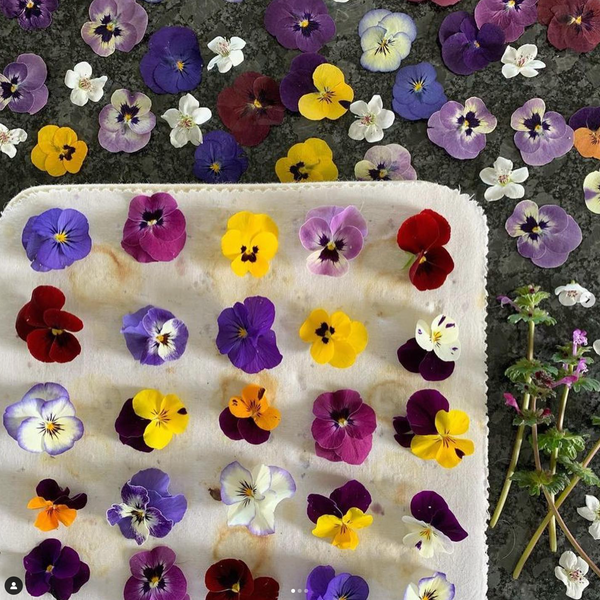
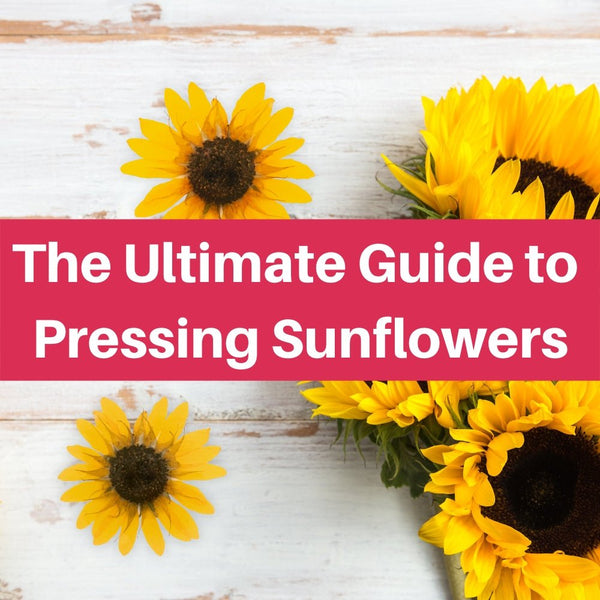
Yellow and orange flowers are the undisputed champions of color retention because their pigments, known as carotenoids, are incredibly stable. When we press marigolds, sunflowers, or coreopsis, the resulting specimens almost always mirror their fresh counterparts with stunning accuracy. These sunny hues resist browning better than almost any other color in the garden. For consistent results in our pressed flower art kit, we often recommend starting with these reliable, high-energy shades that stay bright for years.

The Bold Brilliance of Reds and Pinks
Red and deep pink blooms provide a dramatic flair, but they require a bit more attention to maintain their true saturation. These flowers contain anthocyanins, which can sometimes shift toward a darker burgundy or purple tone during the drying process. By using short, controlled bursts in a microwave press, we prevent the heat from scorching the delicate cell walls, preserving that rich "fire engine" red. We find that vibrant roses and geraniums yield the most breathtaking results when processed while perfectly fresh.

Navigating the Moods of Blues and Purples
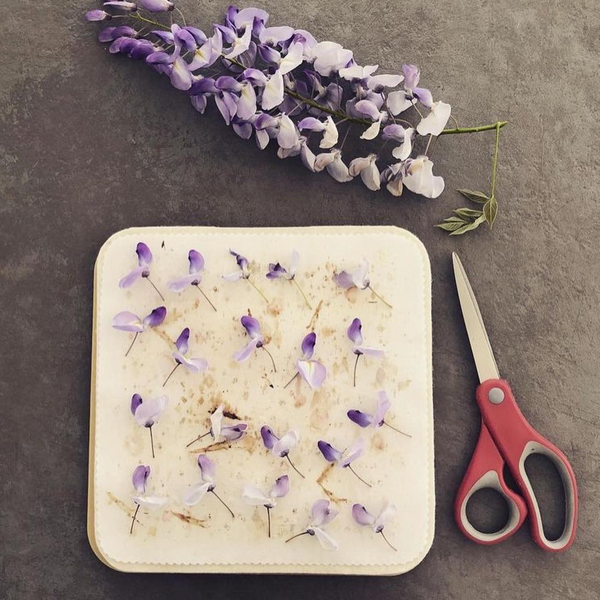
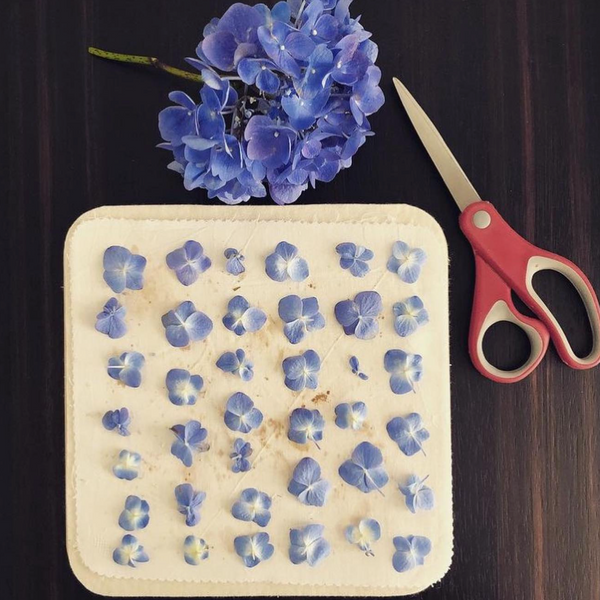
Blue and purple flowers are perhaps the most magical to press, though they are prone to subtle color shifts depending on the flower’s pH levels. Delphiniums and lobelia generally hold their cool tones beautifully, while some purples may lean more toward a deep violet or even a muted grey if dried too slowly. Our rapid-dry technology is specifically designed to halt the enzymatic browning that plagues these sensitive colors. When we act quickly, we can capture that elusive true blue that is so purple in botanical art.

Preventing Fading for Long-Term Beauty
Even the most perfectly pressed flower can succumb to environmental factors like UV light and humidity over time. To keep our DIY flower pressing projects looking gallery-quality, we must store or display our finished pieces away from direct sunlight. Using UV-resistant glass in frames or sealing our work with a specialized spray helps maintain the chemical bonds of the pigments. At Microfleur, we believe that the joy of a pressed bloom should last a lifetime, and proper storage is the final step in that journey.
Mastering the art of color retention is easy when you have the right tools and techniques at your fingertips. By choosing the right blooms and utilizing the speed of our patented system, we can create botanical masterpieces that won't lose their luster. Whether you are a seasoned artist or just starting your first pressed flower art kit, Microfleur is here to provide the online craft supply essentials you need for success. Explore our full range of presses and accessories to start your next creative project!